

We all have our habits. Some more than others. One of mine is to detest, with some vehemence — even while admitting that I myself do it from time to time — those opinion columns devoted to recounting, in detail, an anecdote which, lacking any connection with reality or everyday life, fails to take us from the particular to the general and therefore towards public and relevant reflection. They become inconsequential passages that matter only to the person who wrote them. They are what I call “dear diary columns”.
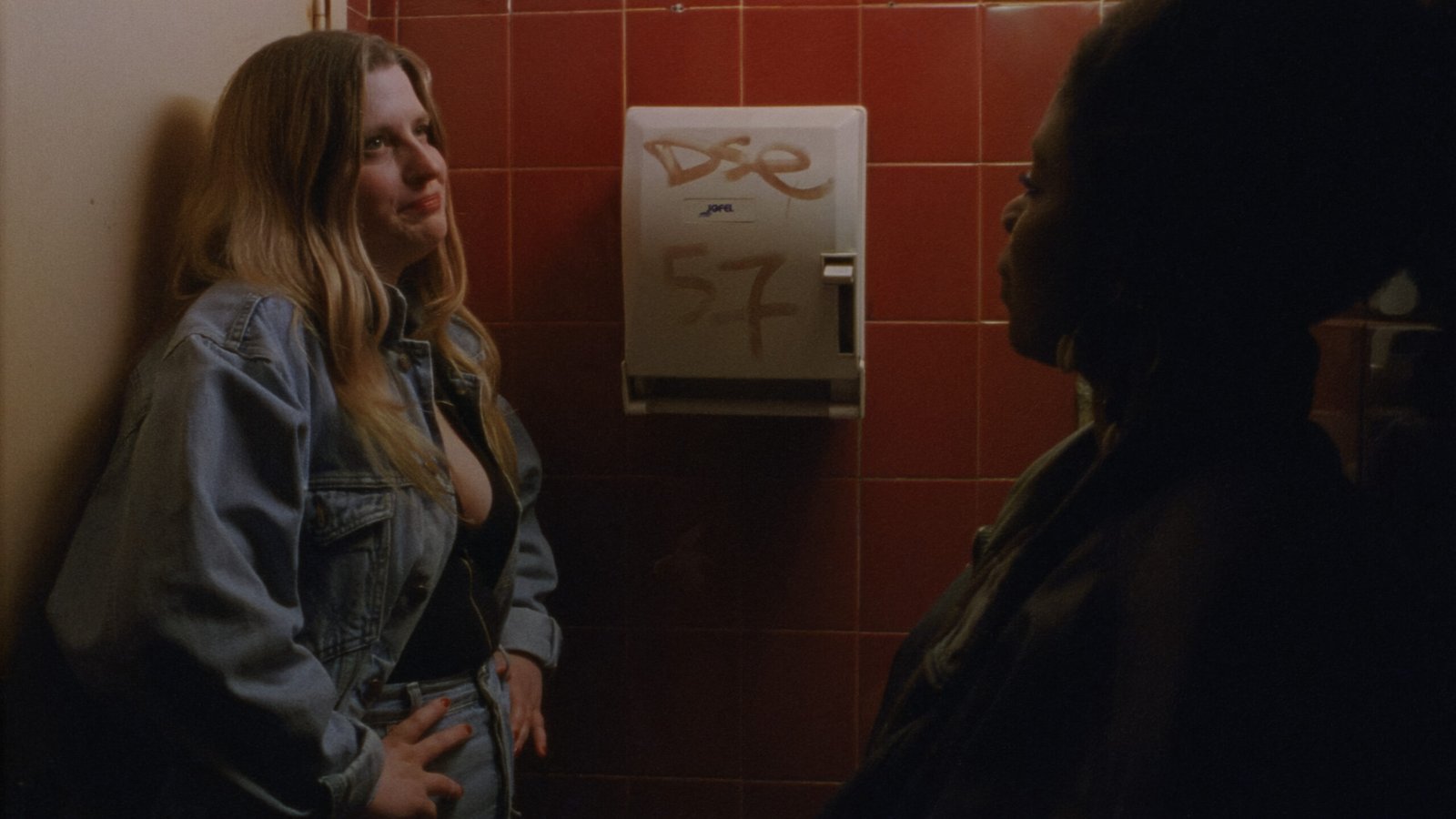
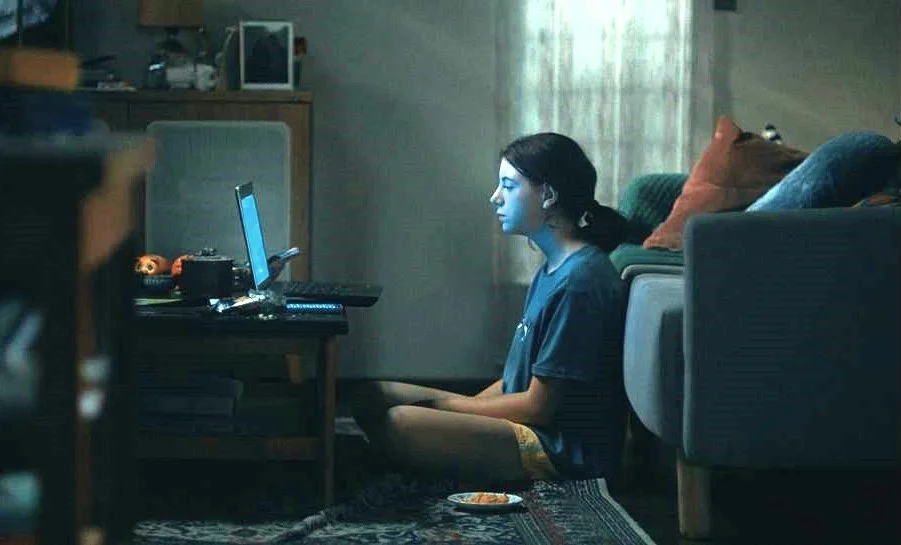
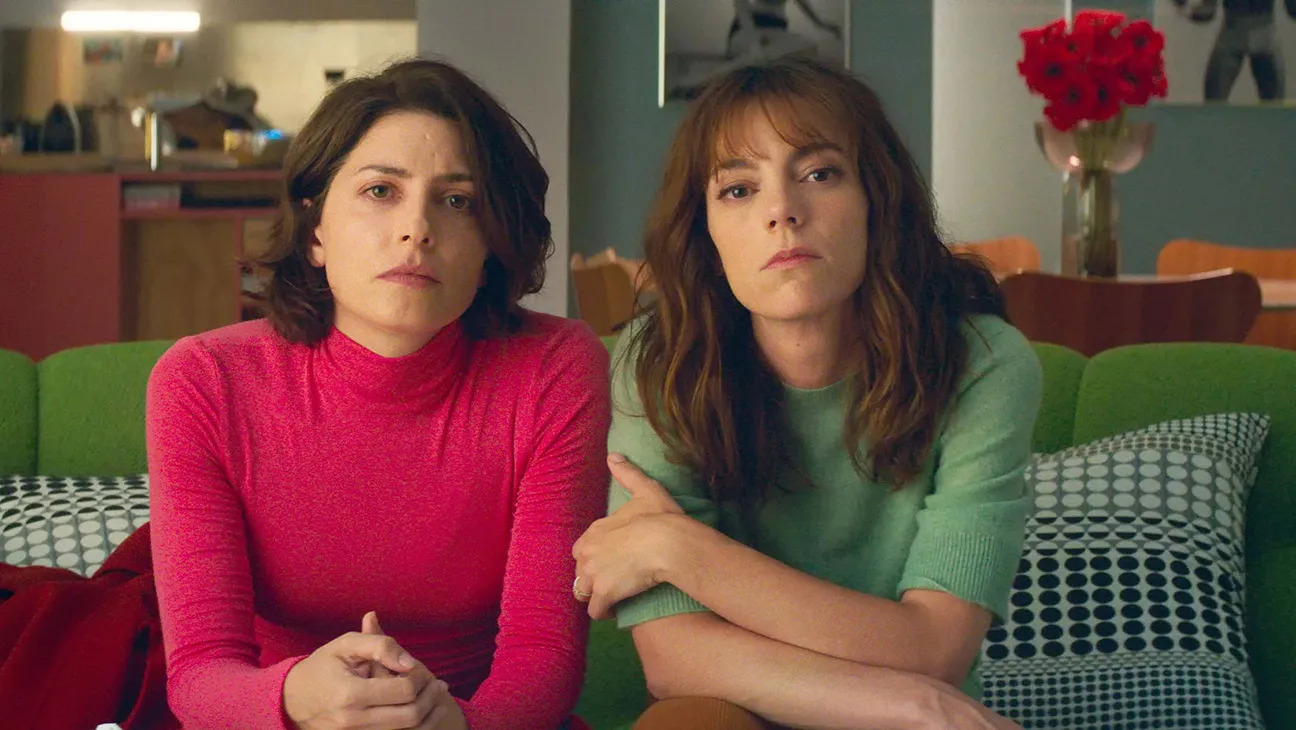
I could not stop thinking about my hatred of those columns unworthy of the name after seeing Amarga Navidad, Pedro Almodóvar’s latest film, released in Colombia last Thursday. The Manchegan director, creator of a flushed, intense universe that cinephiles can recognise after seeing barely a couple of shots, has fallen into a “dear diary film”: one that may be interesting for those of us who are fans of his cinema and admirers of his life, but which will not attract new spectators to a body of work they should not judge solely on the basis of this piece.
As happened in Pain and Glory seven years ago, Pedro Almodóvar has decided to appear as a character in his own story, without making much effort to hide it, under the name Raúl Rossetti — perhaps with Dante Gabriel Rossetti in mind, another multifaceted creator working across several aesthetic fronts, as Pedro has done lately? — and in the skin of Leonardo Sbaraglia. Raúl is putting the finishing touches to a screenplay in which his alter ego is a director, Elsa, who is going through a difficult separation, and in which Chavela Vargas’s voice singing the bolero that gives the film its title becomes the trigger for many things. It is a Russian-doll game that ends with Raúl/Pedro himself before us, complaining about an increasingly solitary life and his inability to feel alive when he is not working.
The great difference is that the conflict in Pain and Glory was universal, and therefore allowed all of us to identify with it. We felt his pain because it could have been our own, faced with the decline of old age or the fear produced by illness. Here, by contrast, the great discussion is about how much betrayal there is in the use creators make of the lives of those around them — one of those problems that only certain privileged people have. Almodóvar may recreate it with all the beauty of which he is capable — and he does — together with his production designer, Antxón Gómez, and his art director, Isabel Peinado, and he may overwhelm us with the beauty of the score composed by Alberto Iglesias. But he does not manage to draw us close to the plot, because he ends up leaving the story aside in order to concentrate on reflection, through dialogues that make not the slightest attempt to avoid sounding ostentatious and rehearsed.
“Almodovarian” is an adjective that is not in the dictionary, but that we all understand, because it implies melodrama, humour, candour and tragedy in doses proper to romantic novels. Without the adjective, in Amarga Navidad, all that remains are the creator’s habits. And they are not enough. o teu texto…