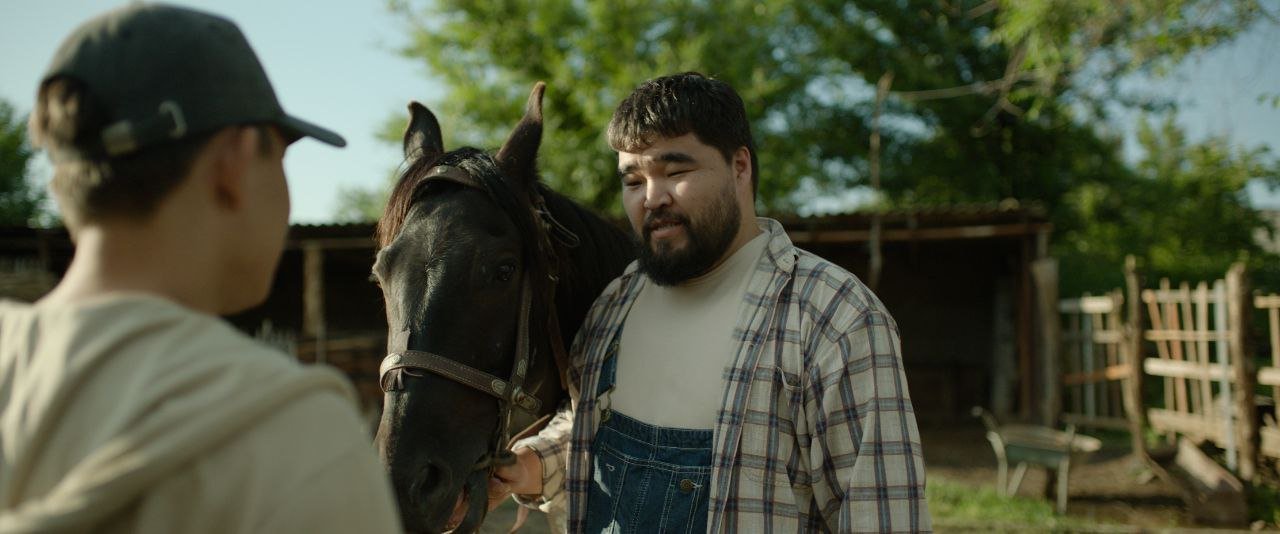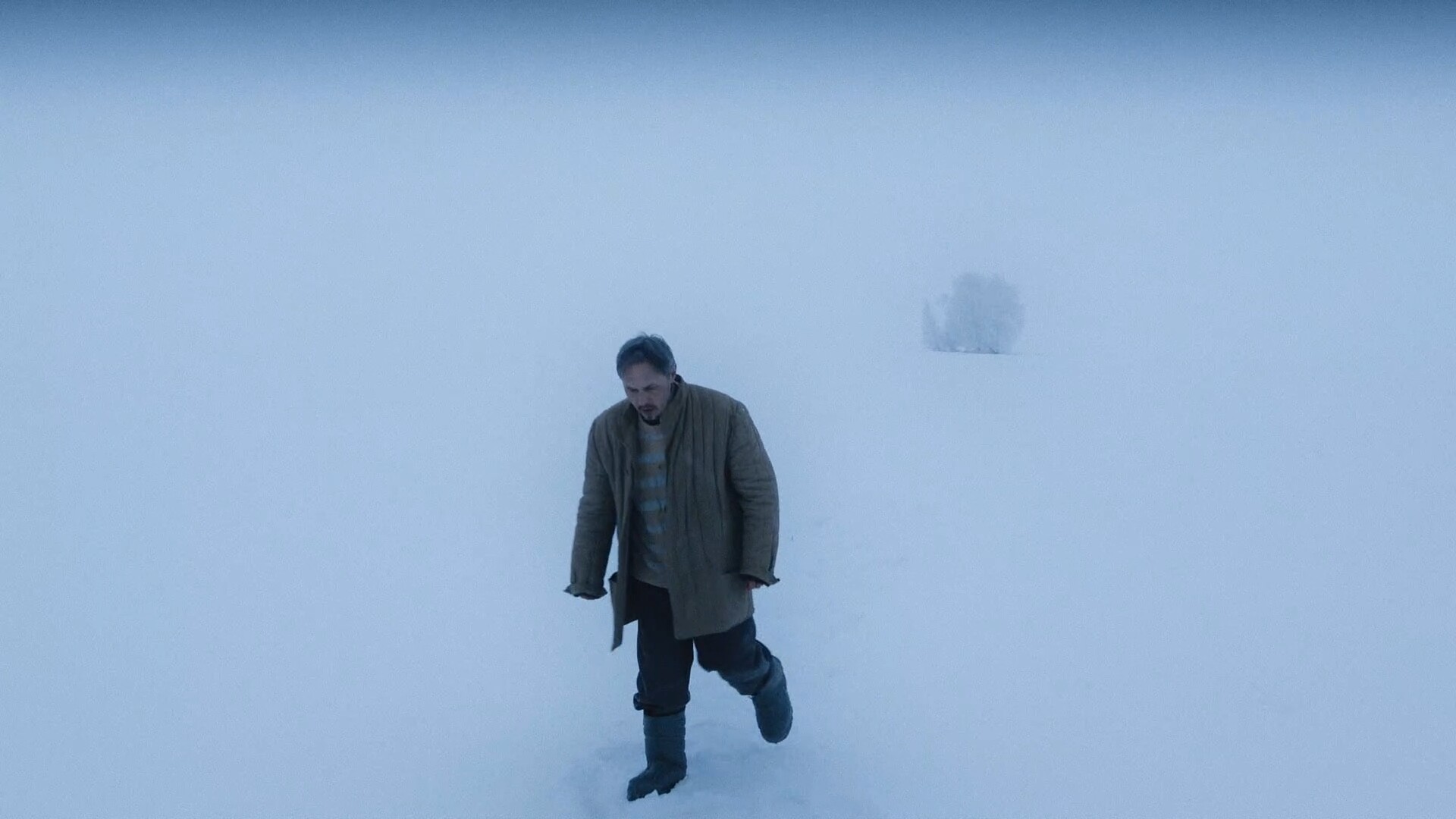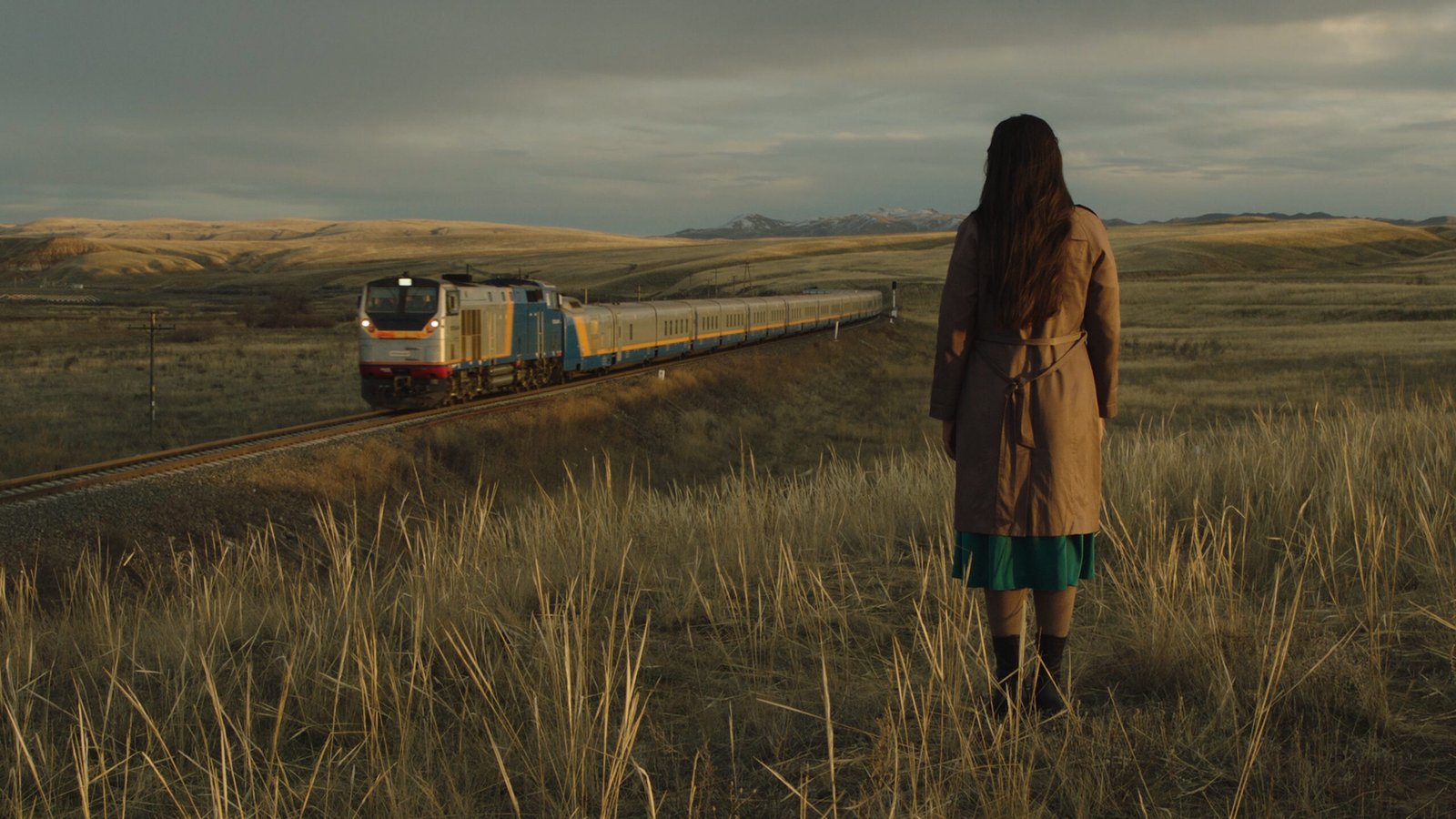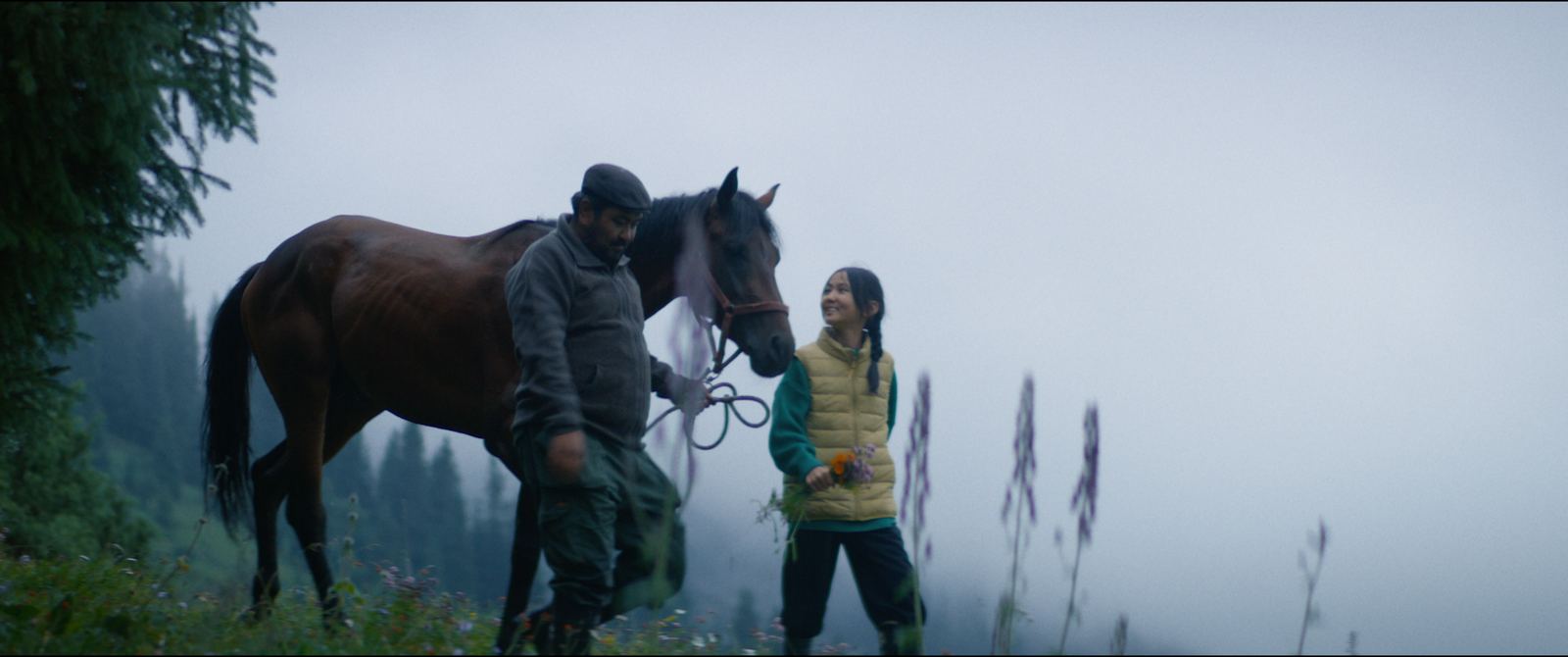


The Bishkek International Film Festival, in Kyrgyzstan, with only four editions behind it, has established itself as one of the most important festivals in Central Asia and serves as a barometer for assessing the state of cinema in that vast region.
This year, the Central Asian competition, which avoided selecting films already presented at major festivals, was marked by an overwhelming number of first features and by the predominance of a more commercial cinema, to the detriment of so-called arthouse cinema or auteur cinema — classifications that are worth what they are worth and do not necessarily have a direct implication for the quality of the works. It is symptomatic, moreover, that in the final scene of Restart, by Durman Erkimbek, the Kazakh film that won the competition’s main prize, the audience applauded the arrival of the hero — an extraordinary sign of the vitality of cinema as a popular art.
In the selection of films, from different nationalities — with Kazakhstan and Kyrgyzstan predominating — but from countries that are geographically, culturally and affectively close, recurring themes emerge, sometimes almost transversally, through which one can infer, or at least suppose, major sociological concerns.
The Village and the City
The countryside/city dialectic recurs throughout the films, but none raises it to such an explicitly political level as Kaskaldak, by Yervant Sabitov, from Kazakhstan, one of the most beautiful works in competition. The film begins by telling the story of the relationship between a father and his special son, out of place in his environment and particularly fragile, only to end with a strong and forceful political speech that bluntly accuses those in power of letting the villages die. The discourse is so openly political, and the message so clear, that it almost places the film within the realm of agitprop cinema.
Perhaps the best part of the film is, in fact, the closing credits, which show the former vitality of the villages through archive images, in contrast with the isolated and later evacuated villages of today. In an earlier scene, a brother tries to convince the father to move to the city. And from that moment on, we understand the force of his resistance, until it burns, almost literally, after a fire. The film’s explicit message led the Kazakh government to deny it an exhibition licence, meaning that it cannot be screened within the country itself.
In Karabuzhir, by Kenzhebay Dyussembayev, also from Kazakhstan, someone wonders whether city people do not need the food that comes from the countryside; what will urban dwellers eat when there are no longer any villagers or farmers? But this is not the film’s main theme. It is instead about the relationship between a mother, in her second marriage, and a harsh, violent villager who mistreats her stepson. The crux of the film is not the fact that he is a man from the countryside, but his extreme violence, beyond all limits. It is, in any case, a film full of weaknesses, beginning with the lack of psychological density in its characters.
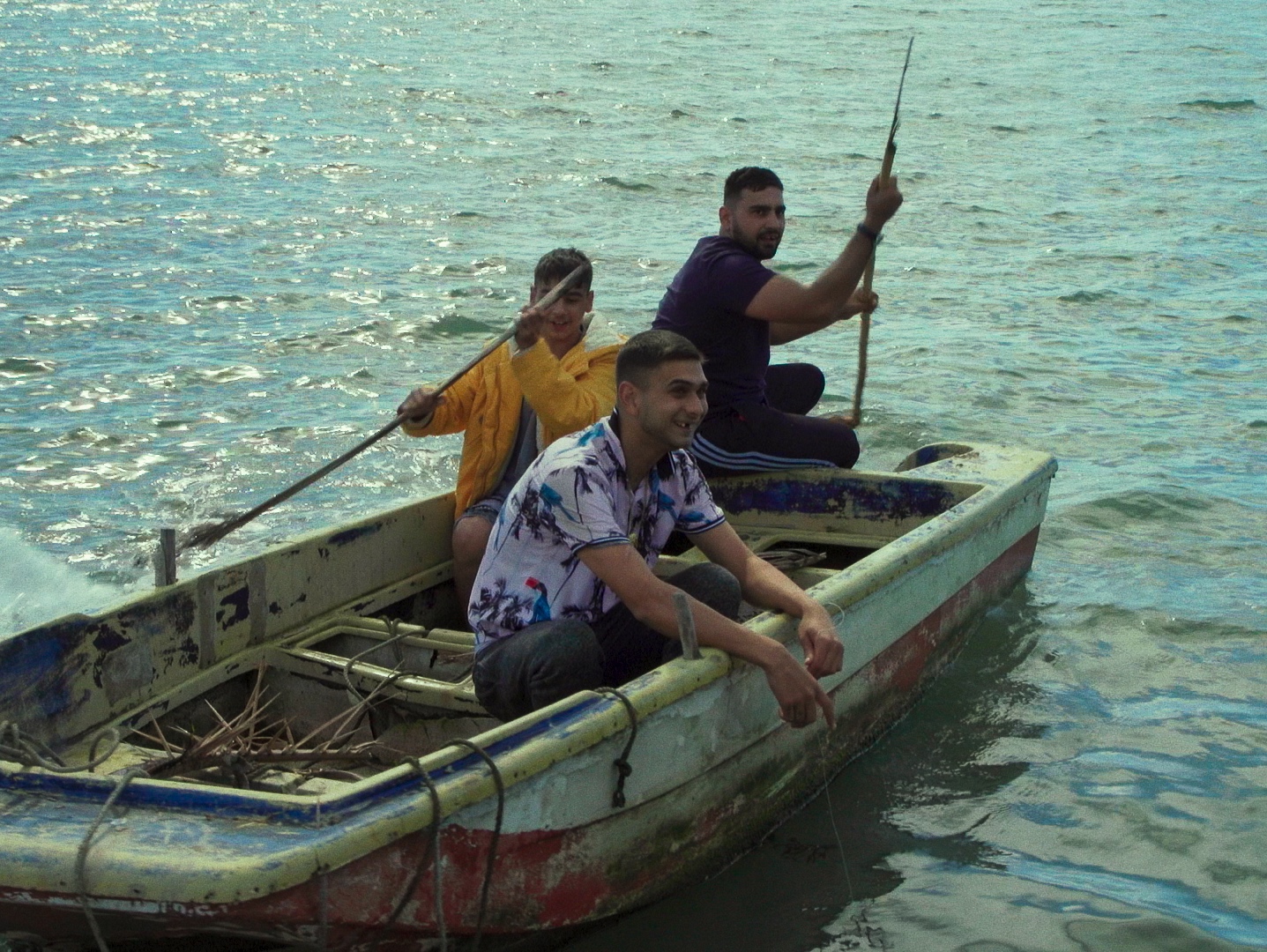
Restart, also from Kazakhstan, approaches the issue from the positive side. A city teenager who hates life in the countryside gradually learns to like the village, discovering its charms. In other words, the film is almost an apology for urban exodus, suggesting that life in the countryside is closer to some kind of essence.
The main reason for the success of Restart is its narrative device, which imitates films such as Groundhog Day (1993), by Harold Ramis, or Run Lola Run (1998), by Tom Tykwer. The boy repeats the same day over and over again until he fulfils his goal of saving the village from a flood, caused by the collapse of a dam structure after an earthquake and by the negligence of the local authorities. Allegorically, in the end, the boy is saving the very villages Sabitov speaks of in Kaskaldak. It is a pity that the screenplay is poorly cooked, full of clichés and narrative holes.
The countryside/city dialectic is present more discreetly in The Final Stretch, by Avtandi Batyrbekov, from Kyrgyzstan, which works almost like a children’s fable. Here, however, it serves above all to expose the drastic consequences of isolation, without pointing to rural exodus as an alternative. The film, with a very predictable plot and emotions worn on its sleeve, tells the epic story of a racehorse. The horse, incidentally, is expertly directed and contributes greatly to the epic ending.
Take Care of Their Health
The isolation in The Final Stretch becomes glaring in the extreme case of health, when the father discovers that there are neither the means nor the money to operate on his daughter, who has a heart condition. He loses his temper and accuses the doctor — and the State — of wanting to kill his daughter, after they have already killed his wife, with cancer, and his father, with a heart attack.
One thing we learn in this competition is that there is nothing wrong with shouting at healthcare professionals: we can turn them into scapegoats. In Kaskaldak, the character loses his temper when he realises that, because of a snowstorm, the health authorities will not be able to deliver his mother’s medication, and he almost dies trying to go and fetch it. In Shamisqamar, by Nusrat Khusanov, from Uzbekistan, a woman imagines herself punching the doctor who suggests she have an abortion after learning that her child will have Down syndrome. Curiously, in Only Heaven Knows, by Nazhamal Karamoldoeva, one of the best films in competition, from Kyrgyzstan, the woman is also asked whether she wants to keep the child, who is healthy. But she does not become excessively enraged. The film takes place in America, and habits are different there.
Those Who Leave and Those Who Stay
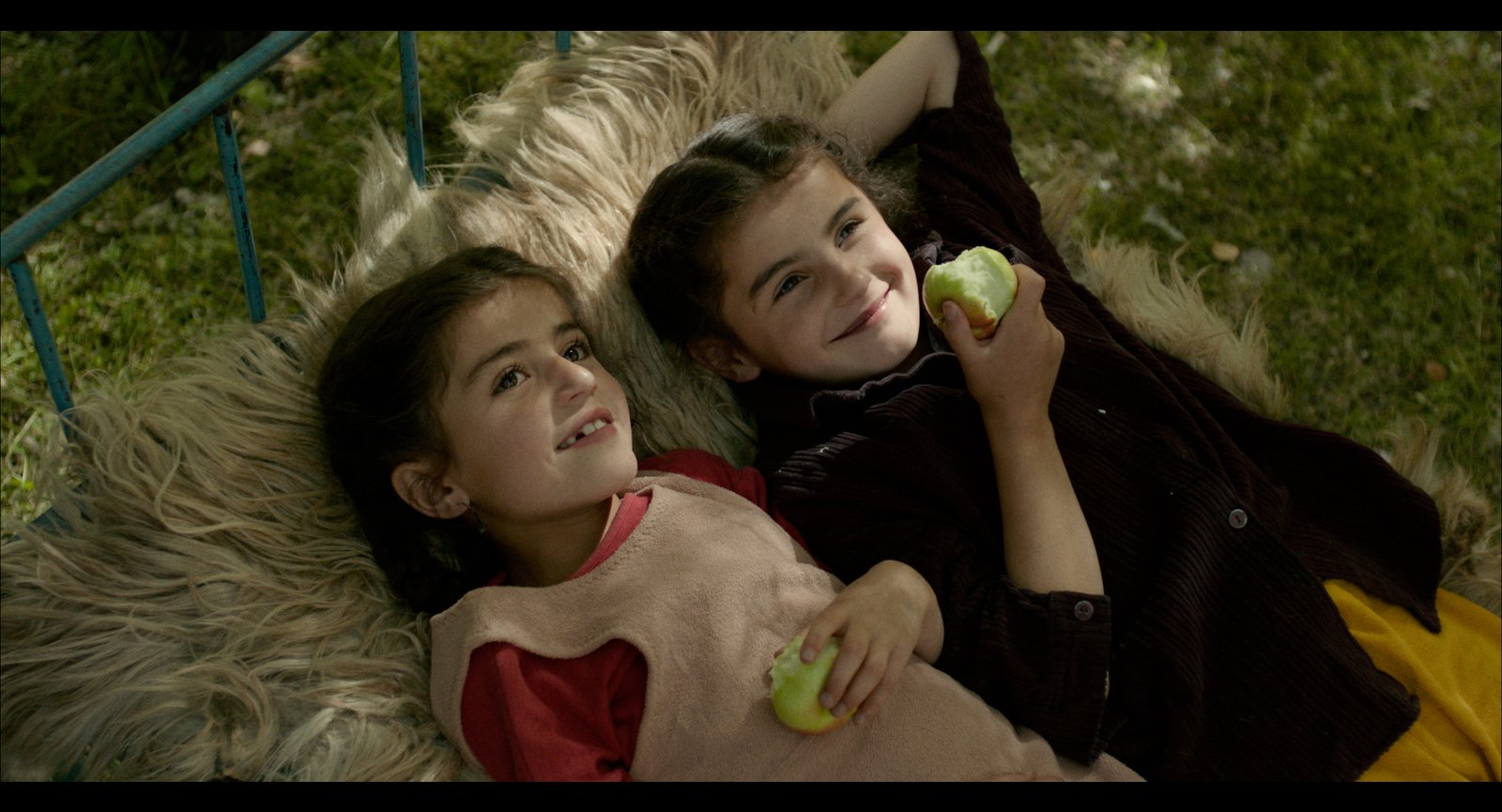
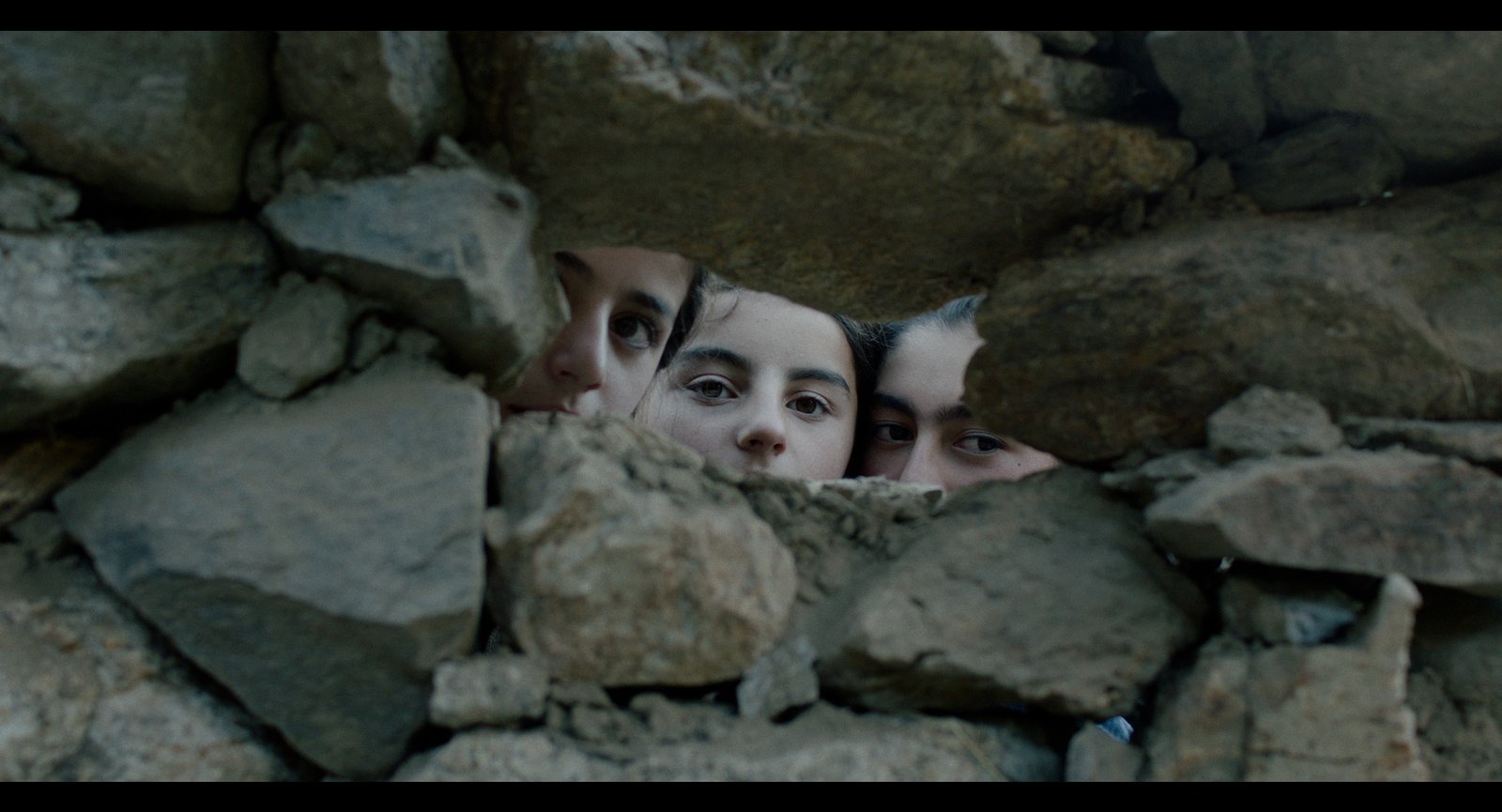
Another Birth, a film by Tajik director Isabelle Kalandar, to which the FIPRESCI jury — of which I was a member — awarded a prize, also speaks of isolation and abandonment, but in another way. It is the portrait of a village that is not necessarily isolated, but from which the men have left. A film-poem, with extraordinary cinematography, it manages to create true visual art, in one of the rare works that can be framed as genuinely auteur cinema. It is like one of those war films that speak of those who remain: the women, the children, the elderly. But it shows us that world through the eyes of a child who does not have all the tools to understand it. An extraordinary work, performed by non-professional actors, including members of the director’s own family. Isabelle Kalandar is already preparing the two other films that will complete the trilogy. The next one will be about the inevitability of leaving.
The other side of the coin may be Fate, by Dastan Medalibekov, from Kyrgyzstan, in which we subtly follow the return of a man who emigrated/fled to America and now wants to meet the son he abandoned. It is a film with formal weaknesses, but with some ingenuity in the screenplay.
The point of view from the other side is offered by Only Heaven Knows. The entire film takes place in America, within the Kyrgyz community, which reproduces the rituals of tradition. It is as if it gave us the opportunity to understand what happens on that other side, but in a more contemporary context, in which women also emigrate and America is the preferred destination — in Another Birth, it would be Russia. Like the protagonist of Another Birth, Mira is, in a way, abandoned by her husband, who leaves her with his mother, who mistreats her, while he travels across the country in his truck. The husband is an inveterate gambler, accumulating debts he cannot pay. The film speaks to us of the human condition, subtly transforming the woman into the protagonist, with a magnificent performance by Malika Kanatova. A very promising work of independent cinema.
The Weight of Deb
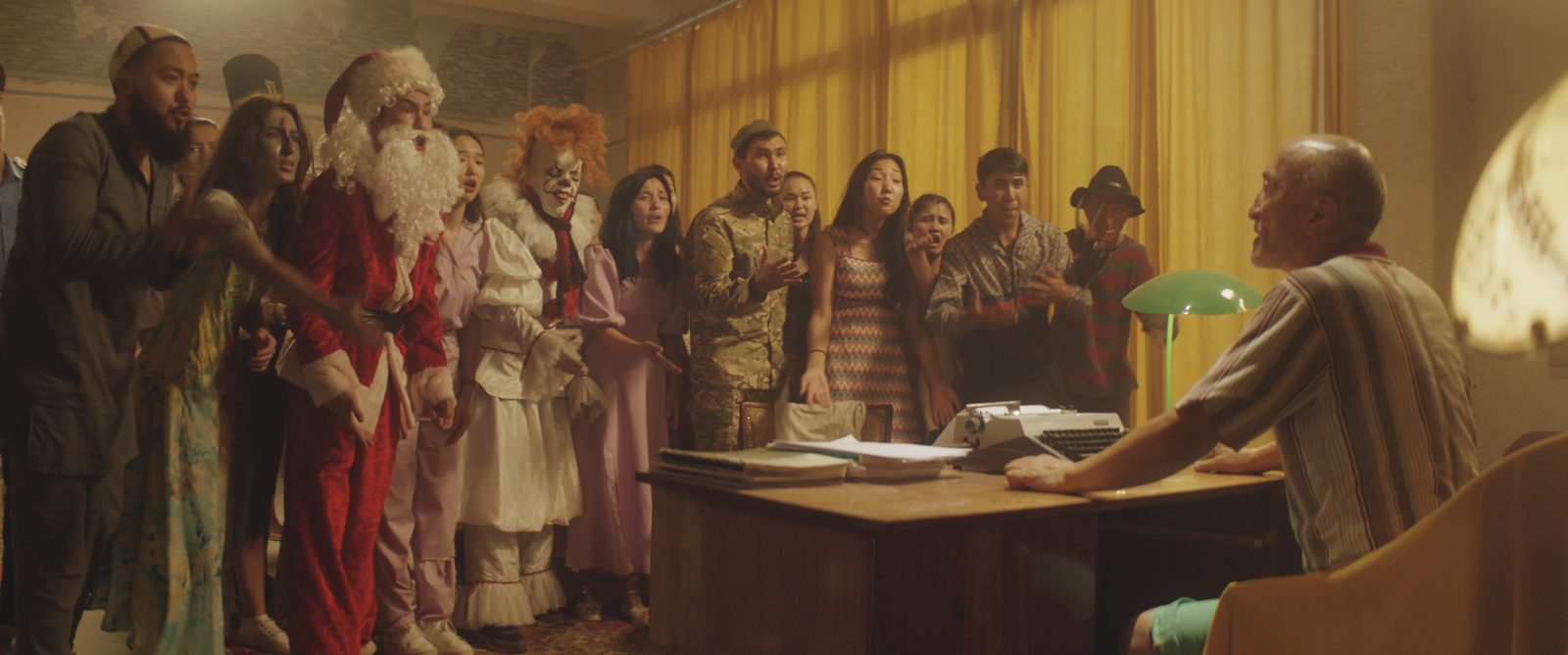
Debt is also one of the recurring themes in the films. In Only Heaven Knows, it reaches its most tragic dimension. But it also has extreme consequences in The Final Stretch: debt causes them to lose everything, including the horse. It is also present in Fate, in a somewhat gentler form, where lack of money and debt serve to intensify the protagonist’s actions. And it is present as well in Backstage Madness, by Amanbek Azhymat, from Kyrgyzstan, a Tarantino-esque comedy with hilarious moments that does justice to the genre, showing us goofy gangsters collecting debts. It is the most offbeat film in the selection. It uses an interesting device, as if we were inside the head of a screenwriter, and moves without hesitation into black comedy, with multiple references to Pulp Fiction, including the famous briefcase.