

Two people go missing in Kolkata. One is a five-year-old boy, the son of a police inspector. The other is a Swedis researcher. Their disappearance leads to a spiritual guru. From this point, the Bengali film Maya Satya Bhram (2026) becomes a gripping psychological thriller. It takes many sharp twists and turns. The film works beautifully as a psychological thriller because it plays with the human mind. It blurs the line between truth, illusion, and delusion. The audience is never sure what is real. This creates constant tension and doubt.
What makes the film special is how it mixes philosophy with thriller elements. It draws from Advaita Vedanta philosophy. The film uses this beautifully. The characters search for missing persons (outer mystery), but the deeper search is inside — from illusion and delusion toward truth (Satya). The guru’s teachings echo Advaita: live in the present moment, because past and future are creations of the mind.
Director Samik Roy Choudhury uses a perfect non-linear narrative. The story moves between three sub-plots — the inspector, the researcher Sara, and the guru Trilokdarshi. This style keeps the viewer confused and engaged, just like the characters. It mirrors the feeling of Maya (illusion) and Bhram (delusion). The film shows that truth is one. When real truth appears, illusion breaks and everything becomes clear. But reaching that truth is not easy. The mind resists it.
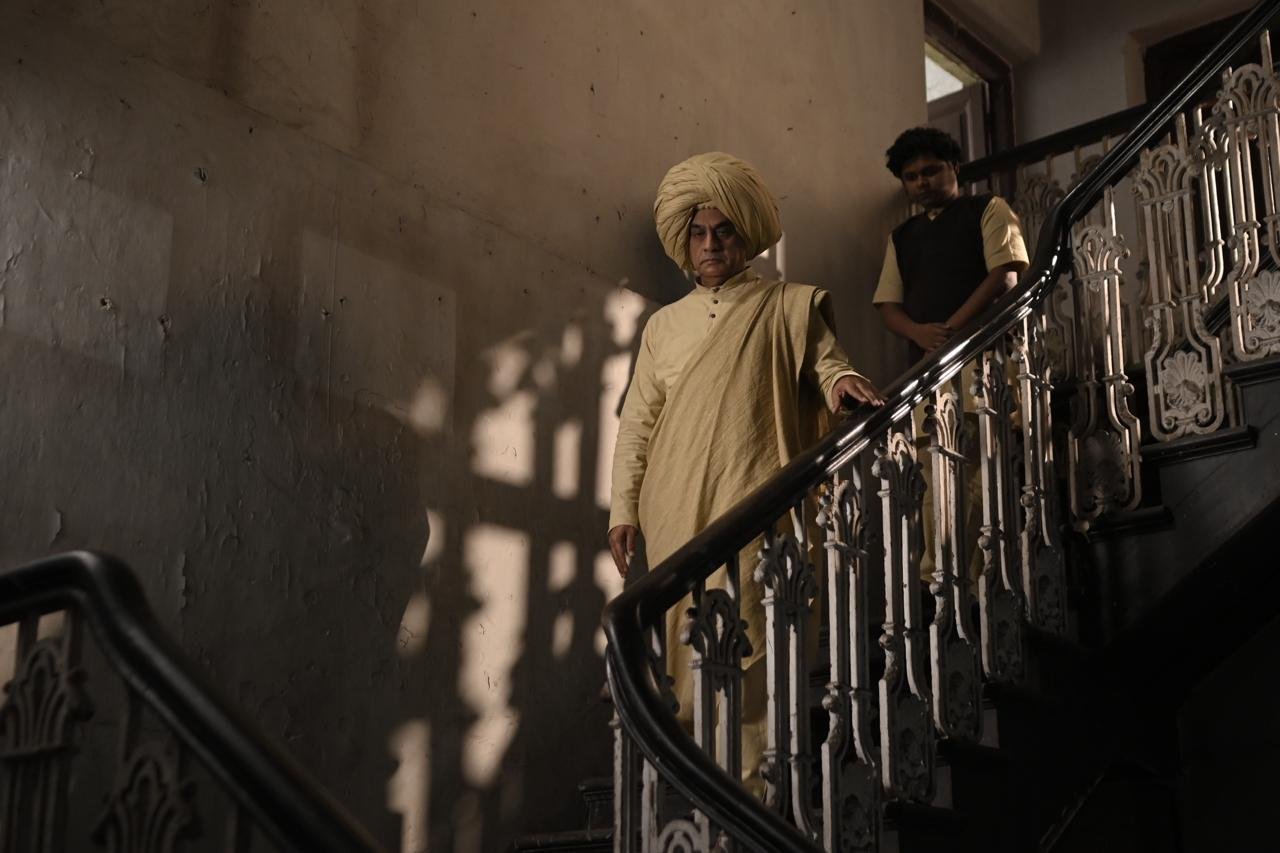
The character of Baba Trilokdarshi (played by Sanat Chattopadhyay) is at the center. He is mysterious and powerful. His meetings with Sara, the foreign researcher, are especially strong. He explains deep ideas in simple words: live in the present, because the past is gone and the future is uncertain.
The film starts like a crime thriller. But slowly it turns into something deeper. It explores fear, grief, belief, and the human need for certainty. These psychological layers make the story rich and thought-provoking. The non-linear storytelling is perfect for a psychological thriller. It keeps the audience in a state of uncertainty. Every new scene challenges what we think we know. When the final truth arrives, it delivers a powerful mental shock. The film leaves a strong impact. It shows how illusion distorts reality and how knowledge leads us toward truth.
Maya Satya Bhram has received huge praise at the New York Indian Film Festival and the Bishkek International Film Festival. It is a smart, engaging psychological thriller that successfully combines suspense with deep philosophical ideas. It entertains while making you think.
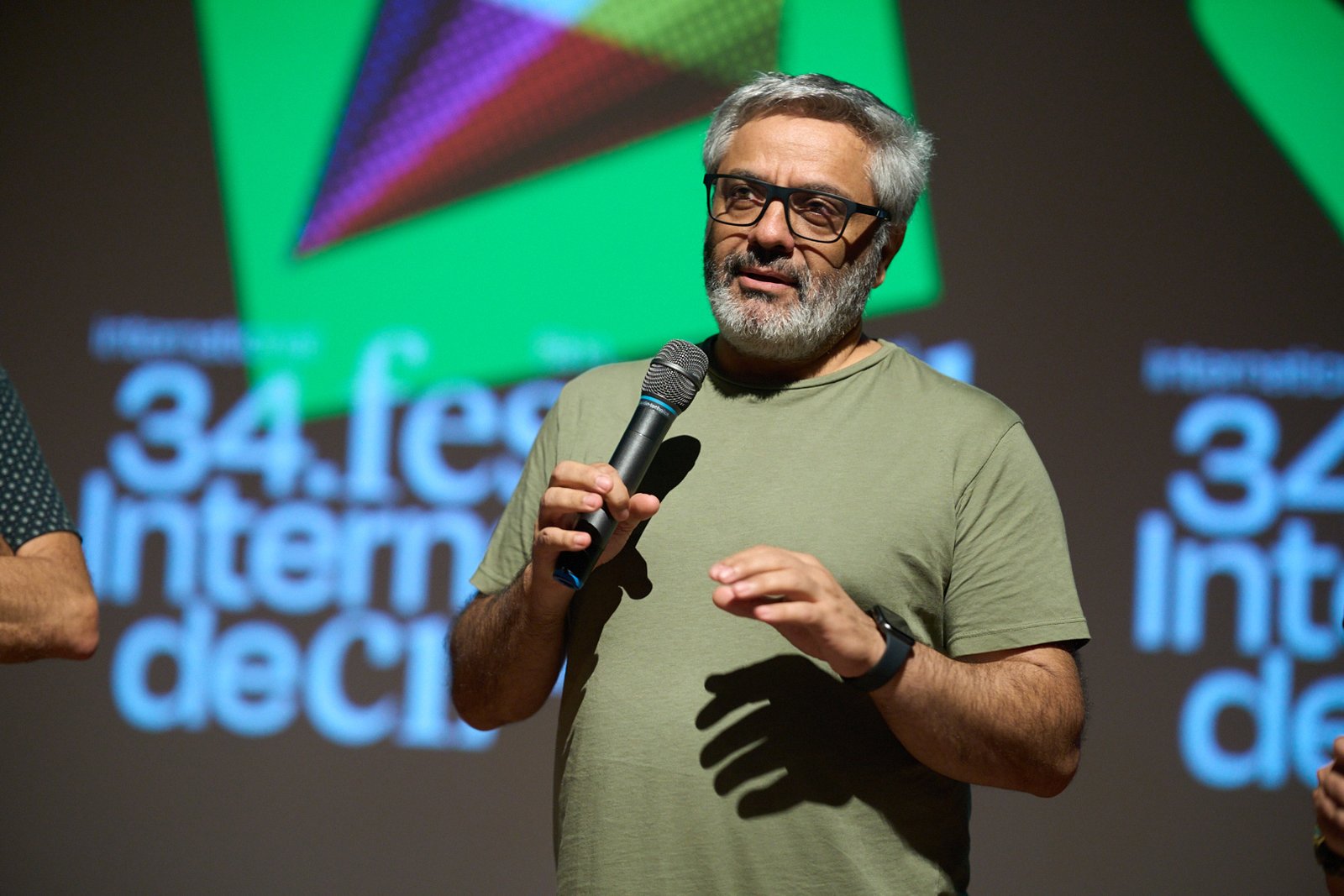
A Short interview with Samik Roy Choudhury
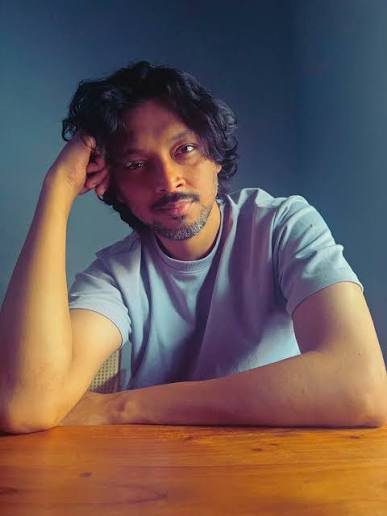
I never begin by deciding if a character is a hero or a villain. I start by asking: What do they fear? What do they desire? What truth are they trying to protect? Each major character in Maya Satya Bhram represents a different way of understanding reality
WAH: What’s your personal take on Maya Satya Bhram? What does the film mean to you?
For me, Maya Satya Bhram is more than just a thriller. It is an exploration of the fragile line between truth, perception, and belief. We often think truth is objective. But our experiences, fears, memories, and faith constantly shape what we see as real. Two people can witness the same event and understand it very differently. The title captures this idea. Maya means illusion, Satya means truth, and Bhram means delusion. The film asks whether these three are really separate or deeply connected in every human experience. Though the story revolves around disappearances and a criminal investigation, the real mystery is philosophical. I wanted the audience to question not only what happened, but also how easily our need for certainty can change our understanding of reality. I didn’t want to give clear answers. I hope the film stays with the viewers and sparks different interpretations and conversations.
WAH: How do you look at the thriller genre? What attracts you to it?
I believe the thriller genre is one of the best ways to explore deep human ideas. Suspense keeps the audience emotionally involved while allowing bigger questions to emerge underneath.For me, a thriller is never just about shocking twists. The mystery is only the doorway. What truly interests me is what the mystery reveals about the people — their fear, guilt, grief, obsession, and beliefs.I admire filmmakers who use the genre as a language to discuss psychology, philosophy, or society. That approach has greatly influenced me. In Maya Satya Bhram, the thriller structure lets the audience investigate along with the characters. As the story unfolds, it gradually shifts from solving a crime to questioning the nature of reality itself.
WAH: Tell me about your characters in the film. How did you connect with them?
I never begin by deciding if a character is a hero or a villain. I start by asking: What do they fear? What do they desire? What truth are they trying to protect? Each major character in Maya Satya Bhram represents a different way of understanding reality: Sanjay, the police officer, believes in logic and evidence. Yet his personal tragedy forces him to face things that cannot be easily explained. Sara, the researcher, approaches the unknown with curiosity instead of judgment. Trilokadarshi Baba lives in the space between faith and skepticism. I never wanted him to be a simple guru or an obvious fraud.MEven the supporting characters are driven by real emotions — love, loss, hope, and fear. To connect with them, I focused on understanding their emotional world before writing a single line of dialogue.
WAH: What’s your process for creating a story and its characters?
Every story begins with a question that genuinely troubles or fascinates me — something I don’t already have an answer for. For Maya Satya Bhram, the central question was: What happens when our understanding of truth begins to collapse? Once I have that question, I create characters who would answer it differently. Their conflicting beliefs naturally create dramatic tension.
I spend a lot of time developing each character’s inner life. I write detailed biographies — their childhood, fears, desires, and contradictions — even if most of it never appears on screen.Only after I deeply understand the characters emotionally do I start building the screenplay. For me, emotion always comes before plot. If the audience cares about the characters, they will follow them anywhere.