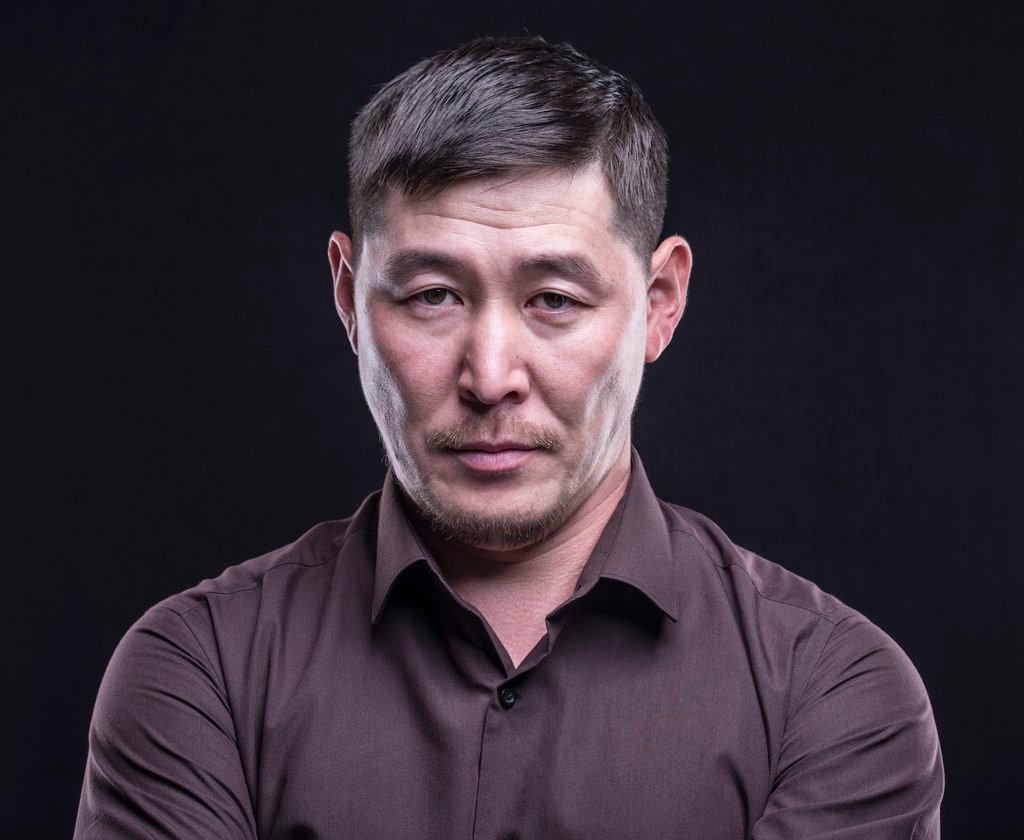


Stepan Burnashev, filmmaker and president of the Sakha Filmmakers Association, discusses collective organisation, low-budget production, geopolitical isolation and the challenge of bringing Sakha cinema to international audiences.
The Sakha Republic, also known as Yakutia, is an autonomous republic in northeastern Russia. The Sakha people have their own language, as well as rituals and traditions shaped in part by the extremely low winter temperatures, which can fall below –50°C. Yet the region has developed a cinema of its own, with low-budget productions shot under harsh conditions that tell authentic, locally rooted stories.
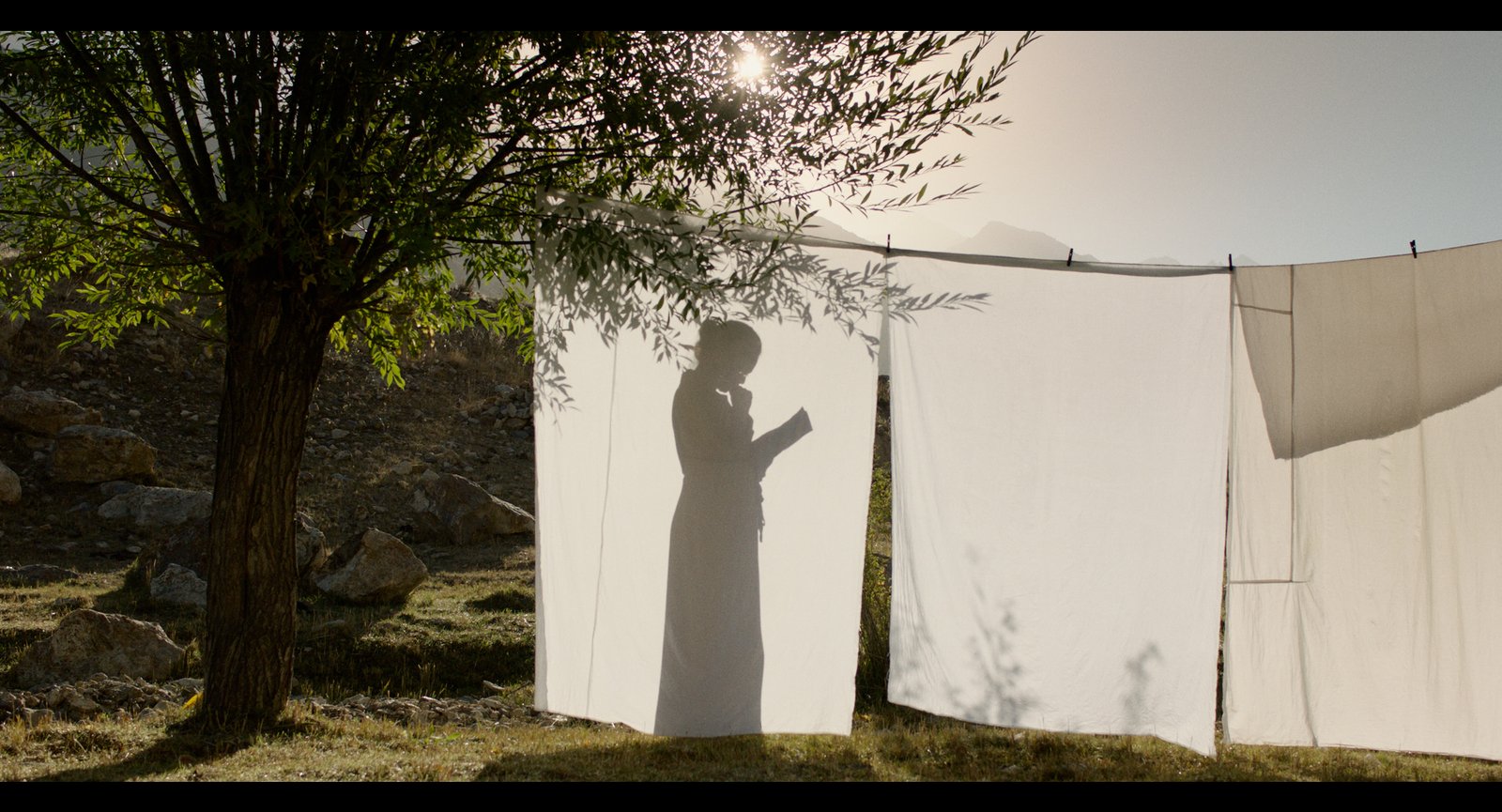
Stepan Burnashev is one of the central figures of contemporary Sakha cinema. His independently produced first feature, Quagmire, was released in 2012. He subsequently founded the production company Saidam Baryl and developed a prolific career as a director, producer, screenwriter and editor. His films include Another Life, the zombie thriller Respublika Z and Black Snow (Khara Khaar), a drama shaped by the vast and unforgiving Arctic landscape. More recently, he presented Penthouse at Hong Kong FILMART as part of Sakha cinema’s first coordinated international industry presence.
Sandal Baishev, Apollinaria Degtyareva, Stepan Poryadin, Vasily Sleptsov, Semyon Amanatov and Mikhail Lukachevsky are some of the members of the Assocciation.
Why did you create this association? What are your main goals?
We created the Sakha Filmmakers Association because Sakha cinema has already become a real phenomenon, but it still needs a professional structure around it.
For many years, our filmmakers worked separately — each director, producer and company was trying to survive on their own. But now we understand that if we want to grow internationally, we need to act together. We need to represent Sakha cinema not only through individual films, but as a film movement, an industry and a cultural voice.
Our main goals are very practical: to support local filmmakers, develop professional education, promote Sakha films internationally, build connections with producers and distributors abroad, and create better conditions for production within the Republic.
We also want to protect and develop our cultural identity through cinema. For us, film is not only entertainment. It is also language, memory, landscape, mythology, family, trauma, humor and the way our people see the world.
What are the main characteristics of the Sakha Republic’s new cinema? What brought you together?
Sakha cinema is very local and, at the same time, very universal.
Most of our films are made with small budgets, but they carry strong stories, strong atmospheres and a very specific sense of place. The cold, the distance, the village, the silence, the family, the spirits, the land — all of this is not decoration for us. It is part of our emotional world.
Another important characteristic is independence. Sakha filmmakers learned to make films without waiting for perfect conditions. We write, produce, shoot, edit, promote and distribute our films with limited resources. It is not always romantic — sometimes it is just hard work, discipline and stubbornness.
What brought us together is the understanding that we are stronger as a community. We may have different styles and genres — drama, thriller, comedy, horror, documentary — but we all come from the same cultural ground. We all want Sakha cinema to be seen, understood and respected.
How are Sakha directors dealing with film festival cancellations in Western countries?
It is a painful and complicated situation.
Many filmmakers from regions like Sakha do not control geopolitics, but they can still lose access to international platforms because of it. For independent artists, this is difficult because festivals are not just red carpets. They are where films find partners, audiences, sales agents, critics and future opportunities.
At the same time, we cannot simply stop. Sakha filmmakers are looking for other routes — Asian markets, regional festivals, co-production platforms, direct contacts with producers, private screenings, online platforms and new partnerships.
We are trying to be realistic. Some doors are closed now, but others are opening. For us, Asia is becoming especially important — Korea, Japan, Hong Kong, Malaysia and other markets. Sakha is geographically and culturally connected to Asia, so this direction feels natural to us.
And internally, in Russia?
Inside Russia, the situation is also complex.
On the one hand, there is still interest in regional cinema, and Sakha cinema has a strong reputation because it has developed its own audience and production culture. Our films have shown that regional cinema can be commercially successful and artistically distinctive.
On the other hand, the market has changed. Distribution is more difficult, platforms are cautious, and independent filmmakers still face problems with financing, promotion and access to screens.
But Sakha cinema has one advantage: we never had easy conditions. We learned to work with limitations from the beginning. That is why our filmmakers are quite adaptable. We know how to make a film when there is no money, no time, no comfort and sometimes no road to the location.
What is the secret to making low-budget films?
The secret is that there is no secret.
Low-budget filmmaking is about discipline, clarity and sacrifice. You must know exactly what film you are making. If the idea is weak, money will not save it. If the idea is strong, even a small budget can work.
You need to write for your real possibilities. Do not write ten helicopters if you have one car and a cousin with a drone. Use what you have: real locations, local actors, natural light, your community, your culture and your landscape.
But a low budget does not mean being careless. It means every decision must be precise. Every scene must be necessary. Every shooting day must matter.
Trust is also very important. Many Sakha films were made because people believed in each other. Crew members worked not only for money, but because they wanted the film to exist. Of course, this should not become exploitation. As the industry grows, people must be paid properly. But at the beginning, community is often the only real budget.
What are the main challenges of filming in the coldest temperatures on Earth?
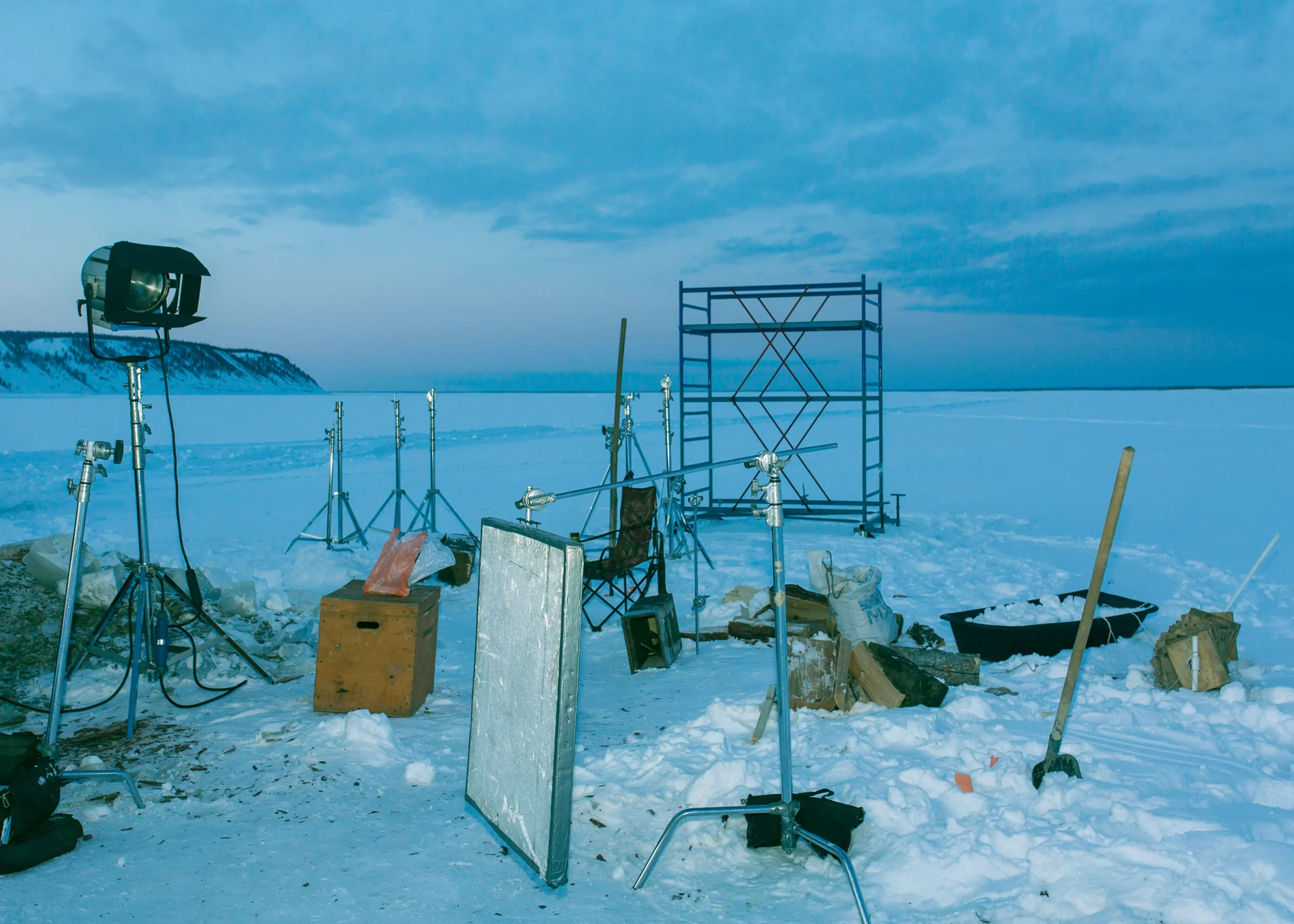
The first challenge is physical. In winter, temperatures in Sakha can fall to minus 40 or minus 50 degrees Celsius.
People can endure a lot when they are prepared, disciplined and mentally focused. But technology is often less patient than humans. Cameras, batteries, monitors, vehicles, sound equipment — everything can fail much faster in extreme cold.
That means the crew must be extremely concentrated. You cannot waste time. You have to prepare carefully, know exactly what you need from each scene and work faster than usual. In such conditions, discipline is not just a production value — it is a survival tool.
But the cold also gives us something unique. It creates a visual and emotional truth that cannot be faked in a studio. The silence, the snow, the breath, the frozen light — this is part of our cinema. It is difficult, but it is also our power.
What will be your next move?
Our next move is to make Sakha cinema more visible internationally.
We are now working in several directions at once: international co-productions, participation in major film markets, building partnerships with Asian producers’ organizations, and creating a stronger infrastructure for our filmmakers at home.
We want to present Sakha cinema not as an exotic curiosity, but as a serious film movement with its own authors, genres, audience and industry potential.
Personally, I am also developing new international projects and looking for partners who are interested in stories from the North, from Asia and from places that are still underrepresented in world cinema.
For us, the next step is simple: to move from being discovered to being recognized. Not one film at a time, but as a cinema culture.