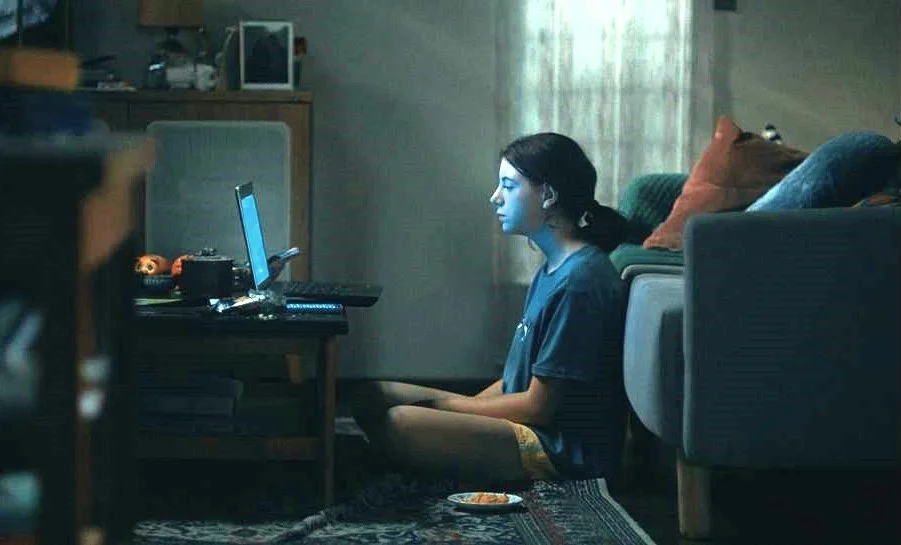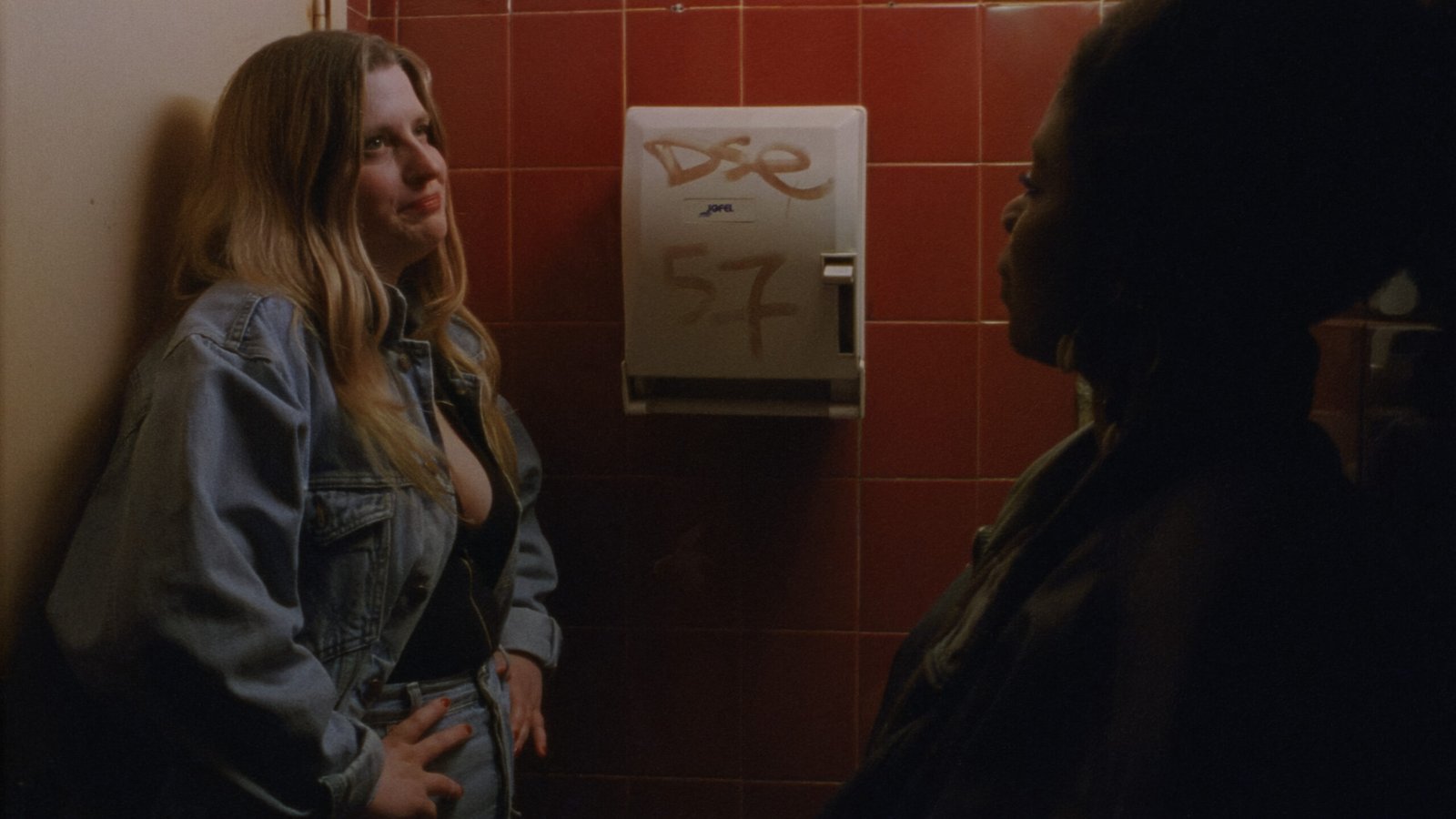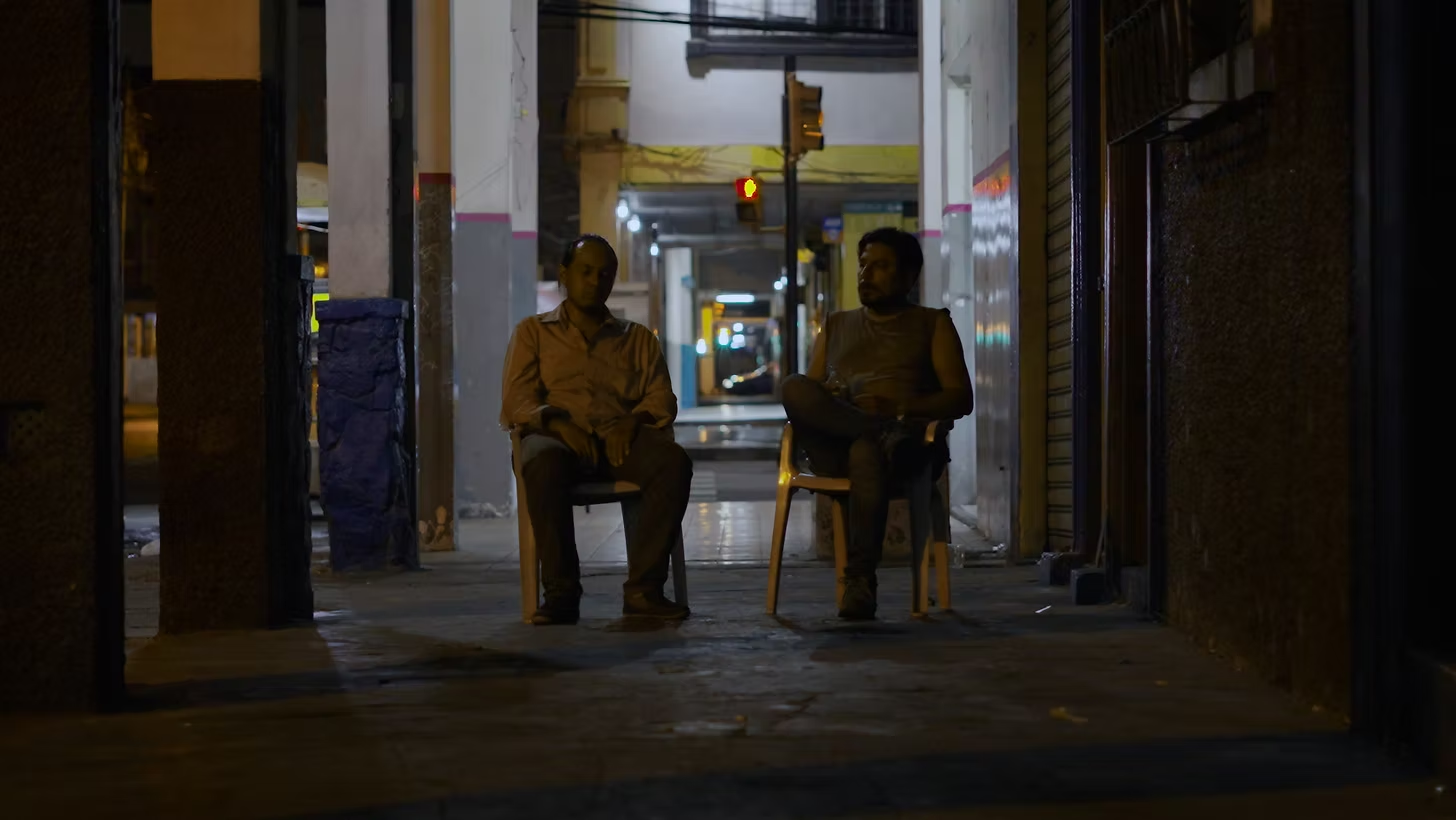

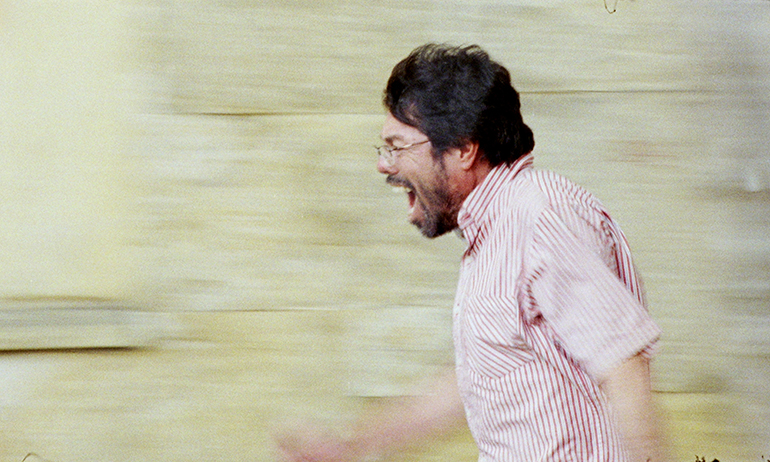

Sometimes awards are fair. The prize awarded by the jury of the “Un Certain Regard” section to Un poeta at this year’s Cannes Film Festival is one of those well-deserved awards. Because it rewards a film whose greatest quality lies in the grace of its director and screenwriter Simón Mesa Soto’s gaze, as he chooses to tell the story of Óscar — a semi-alcoholic writer who was once a promising young Colombian poet — from a place rarely found in Colombian cinema: tenderness.
It is true that Óscar carries an appearance as neglected as his literary career, and a frankly pathetic way of dealing with personal relationships (it is hard to tell what provokes more second-hand embarrassment: the way he asks his mother for money or the way he apologizes to his daughter). Yet Mesa Soto, through certain gestures — the way Óscar lights up while driving with the wind on his face, for example — and through the ethics underlying some of his decisions, manages to make him evoke compassion rather than rejection. How many people like him have we known, people who long ago decided that the world owed them something and who construct elaborate excuses for all their misfortunes, avoiding the admission that they are afraid or that they simply could not withstand the cruelty surrounding them?
So when Óscar unexpectedly discovers Yurlady’s artistic sensitivity, he embraces the search for recognition of the teenager’s talent as a chance for redemption — one that will collide with every possible form of misery: that of a certain cultural clique, more interested in poetry (and where it says poetry we could equally say cinema, theatre, or music) as a means of advancing personal ambitions than as an art form; that of Yurlady’s family, which, faced with a talent it does not understand, seeks only to profit from it somehow; and finally his own misery, which fills him with false hopes and drags him back toward habits that are difficult to abandon.
Mesa Soto — who perhaps names his protagonist Óscar, like the cinema award itself, in order to exorcise through this mediocre poet the insecurities every artist feels in the face of a promising career — makes an excellent choice in casting his lead actor. Ubeimar Ríos conveys an extraordinary sense of truth through Óscar. The same cannot be said of all the non-professional actors who appear in the film, and one inevitably wonders whether the strong dialogue might have been elevated further by professional performers. Perhaps for that same reason, the rhythm occasionally suffers, and certain scenes seeking comedy lack the timing necessary to generate full complicity with the audience.
Some have described Un poeta as a tragicomedy, but it lacks the truly tragic elements required to deserve that label. It is rather a bitter comedy — at times acidic — that succeeds in mocking very specific human characters with tenderness and sensitivity. A comedy sustained by the singular gaze of a director upon a reality he knows intimately. As is also true of poets worth reading.