

Films, regardless of how much they cost, who appears in them, or what events they depict, are ultimately completed in the mind of each viewer. If you, dear reader, have just broken up with the man you loved, you will see a very different version of The Devil Wears Prada 2 from the one I might see sitting next to my wife. It is in our souls that films find the sediment they need to leave a mark and connect with each person’s life.
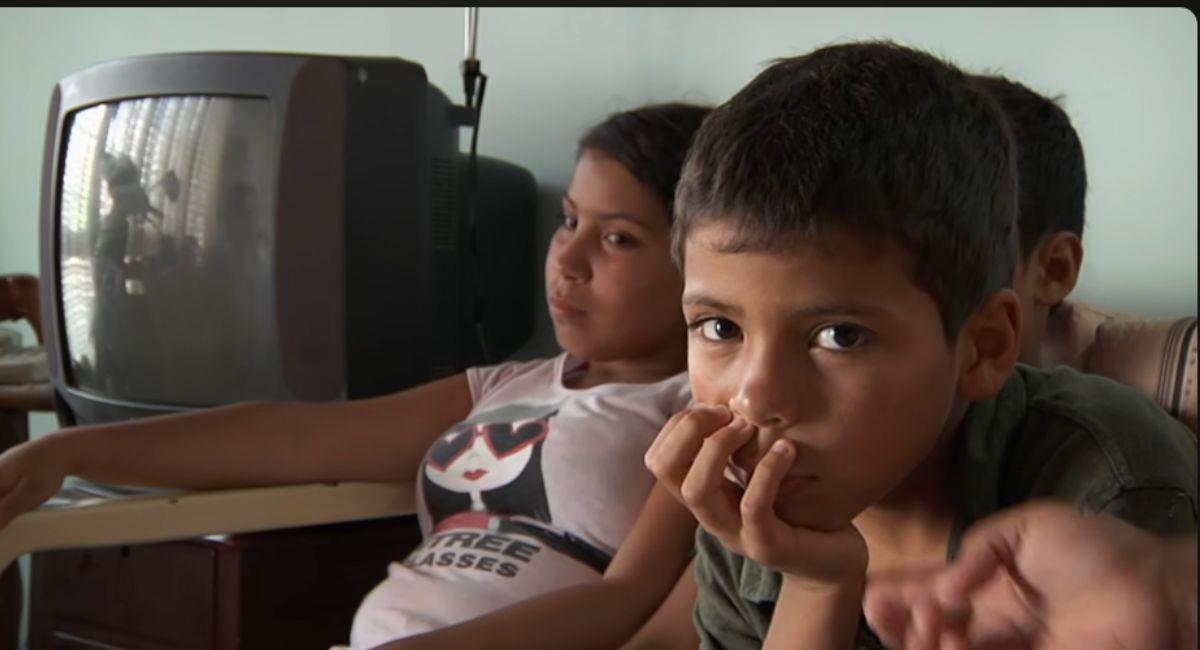
Those who watched The Game of Life, Mario Andrés Ruiz Zuluaga’s documentary, which premiered last Thursday, likely experienced it this weekend with an irony its director could hardly have anticipated. Watching this film—which began as part of a research project at Universidad de los Andes aimed at understanding social mobility in Colombia (which is why the dedication to Tatiana Andia in the closing credits is more than appropriate)—during the weekend of Mother’s Day celebrations, it is difficult not to conclude that one of the greatest obstacles Colombian women face in escaping poverty is motherhood. How can anyone do more than merely survive when they have seven daughters and a son, as Mrs. Inés does in Chinú? And what are we supposed to say to the youngest of the García Segura sisters when she happily announces that she is going to become a mother, while both we and the filmmaker conducting the interviews know that she should be thinking about what degree to pursue at university, not about raising a child?
The greatest strength of The Game of Life lies in its fourteen years of recorded footage, which allows it to deliver a series of powerful emotional blows. It is impossible not to be moved by images of Donny, Mildred’s youngest son, an innocent ten-year-old singing with his childhood friends among the ruins of Gramalote, and then seeing him years later rapping on a rooftop in a working-class neighbourhood of Medellín, now a grown man who has transformed his passion for music into an escape route from tragedy.
Paradoxically, however, this is also the film’s weakness. The narrative thread built around “the cards life dealt” its protagonists feels overly constructed, as though the screenplay could have benefited from a degree of editing without sacrificing its authenticity. Faced with such extraordinary material—rare by Colombian standards—Ruiz seems compelled to draw conclusions and formulate judgments, as if he were still presenting an academic investigation. It is understandable that he wanted to make the film more personal, but it is less clear that incorporating his own story into the narrative was necessary. Even less convincing are the additional stories introduced towards the end, which feel forced and included to satisfy certain representational requirements.
When the film ends, one is left with the frustrating sensation of having watched a story with the potential to be truly memorable, only to see it succumb to that distinctly Colombian habit of trying to tell everything at once.