
Doclisboa’s understanding of “fictions of the real” has become so broad that it even encompasses science fiction. The Remotes, by Filipino filmmaker John Torres, which premiered in Toronto, is a futuristic, dystopian work that crosses genres and takes Manila as its setting. Its relationship with the city also helps explain its inclusion in the festival. Doclisboa presented an extensive retrospective of Lino Brocka, the demigod of Philippine cinema, alongside a focus on John Torres, one of the most irreverent figures in the country’s contemporary cinema, as is Khavn, who also attended as a juror, curator and performer.
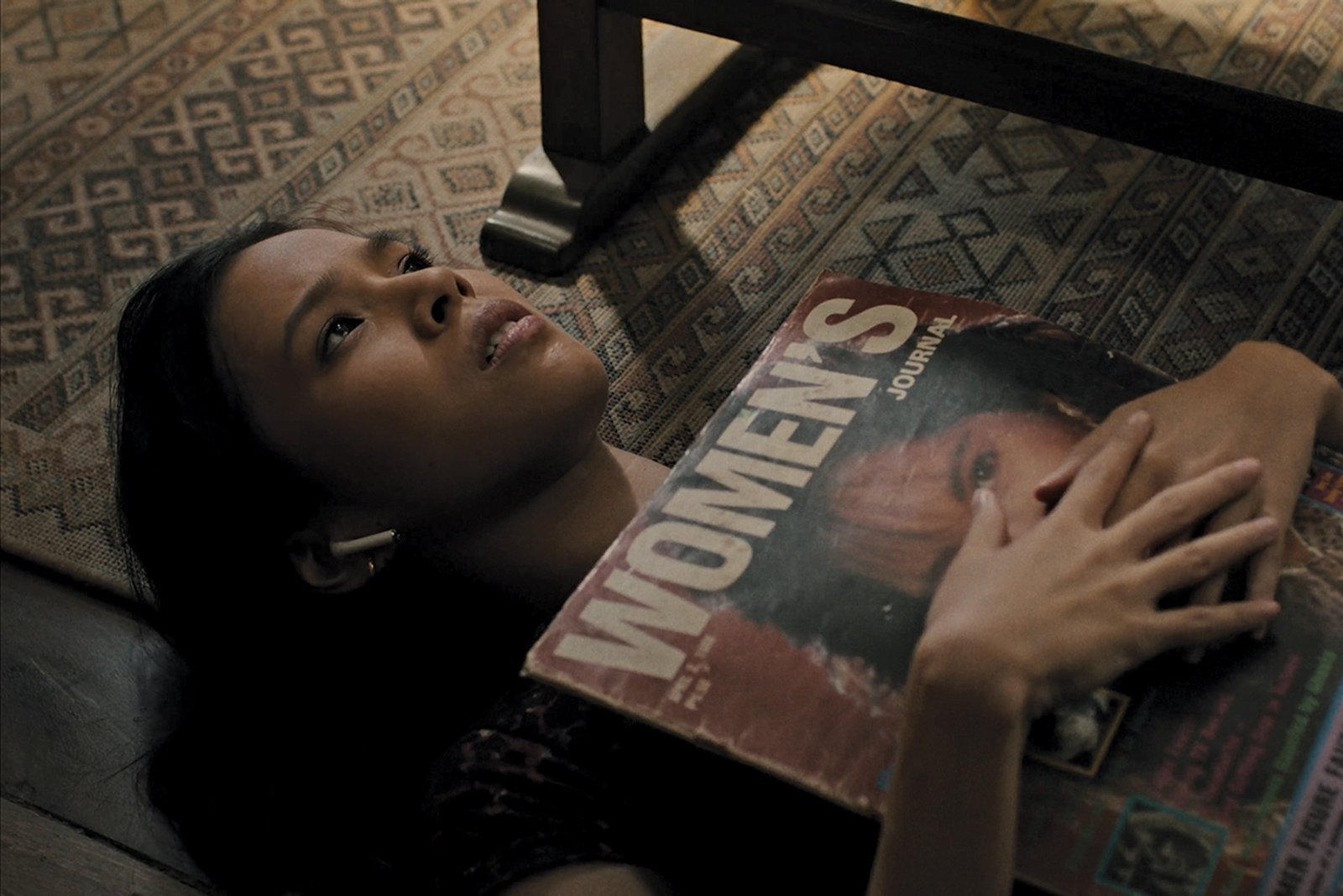
In its portrait of the Philippine capital, The Remotes contains explicit connections to one of Brocka’s landmark works, Manila in the Claws of Light. Yet even here, the differences are substantial. Torres goes beyond updating that vision of Manila within a futuristic setting, reimagining it through a cinematic language of his own. Almost the entire film unfolds at night, lending it a visual density in which shadows and artificial light deepen its mysterious, sombre and contemplative atmosphere.
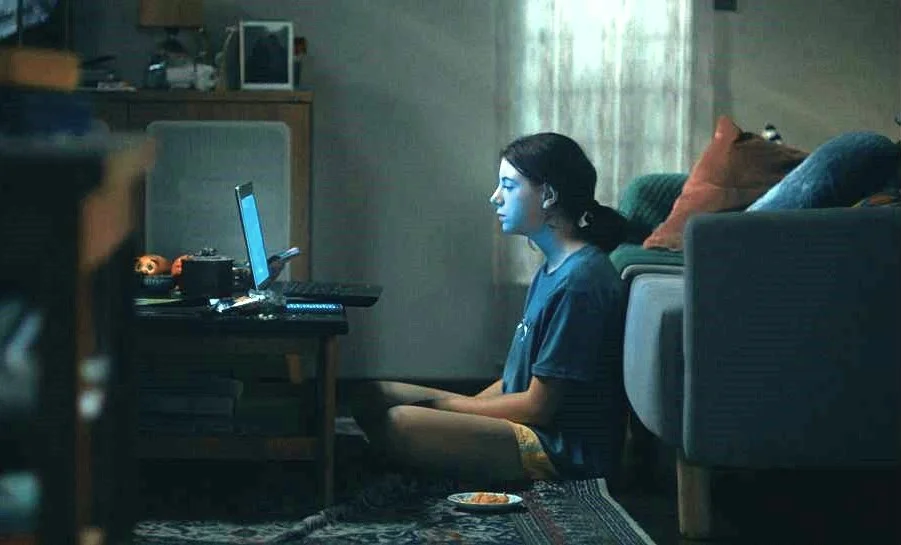
Although set in the future, the plot expresses a contemporary anxiety: it imagines an app that controls people’s movements and minds. Today, social media seeks to exert this manipulation through less coercive means; Torres imagines a refinement of the model, with an app whose commands people obey without question. This idea unfolds primarily through the conventions of a detective story, with shades of noir, following a detective who seeks, against all opposition, to unravel a series of car accidents in nearby locations. This aspect, at times bordering on gore, recalls David Cronenberg’s Crash. But the film takes other paths.
In its aura of insoluble mystery and the melancholy conveyed from the outset by its voiceover, The Remotes feels closer to David Lynch, particularly Twin Peaks. Here, the search is not for a Laura Palmer, but for a point of contact between the tangible and the transcendent. Concrete reality is permeated by an undertow of melancholy that makes it feel unstable and strange. We sense shapeless, solitary lives, emptied of any collective dimension.
John Torres approaches his characters as though searching their souls. Or, at least, attempting to delve deeply into their psychology, placing them under psychoanalysis, with echoes of Oedipus and Cassandra. Even if that search leads towards a void, towards the disappearance of free will in the gestures and movements of bodies.
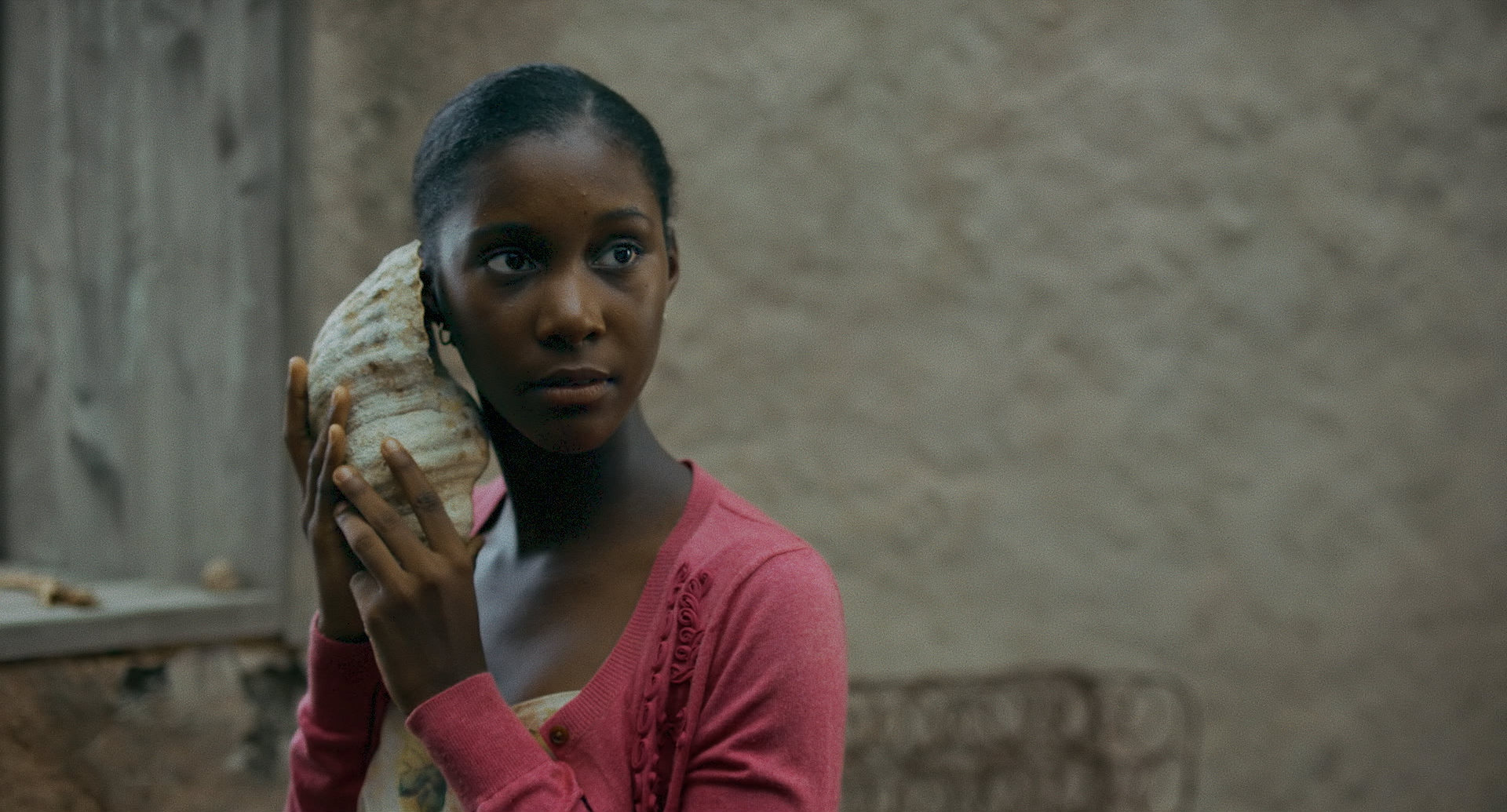
The Remotes is a bold and demanding film. Its cinematic language is consistent, shaped by slow tracking shots that intelligently reveal the complexity of its mise-en-scène, as well as aerial images and close-ups of faces behind the visors of motorcyclists in motion.
Political readings subtly emerge from the film. We might find echoes of dangerous online games that manipulate vulnerable teenagers, alongside connections to artificial intelligence and automated driving. There is also a layer rooted in Philippine reality. The film can be read as an allusion to the climate of pervasive surveillance imposed by President Rodrigo Duterte under the pretext of combating drugs. Torres imagines that surveillance taken to another level, in which those targeted are physically and psychologically manipulated through an external mechanism commanded by shadowy powers.
The Remotes (Philippines, 2026, 151 min)
Director / Editor: John Torres · Screenplay: John Torres, Dodo Dayao · Cinematography: Tristan Salas · Music: Don Josephus Raphael Eblahan · Cast: Alchris Galura, Gabby Padilla, Julia Richards, Enchong Dee · Production: Los Otros.