

While the Venice Film Festival made the bizarre and, at the very least, anachronistic decision to select only one film directed by a woman for its main competition, Locarno demonstrates that cinema made by women, or from a female perspective, is alive and well, with several such films featured in its competitive sections. All have their strengths and weaknesses, but all would enrich the programme of any festival.
We watched and analysed several films by women directors, differing in scope and texture, which we discuss in separate texts for organisational purposes.
In these films, we observe women at different stages of life and in different contexts, but they somehow always provide an opportunity to reflect on the female condition.
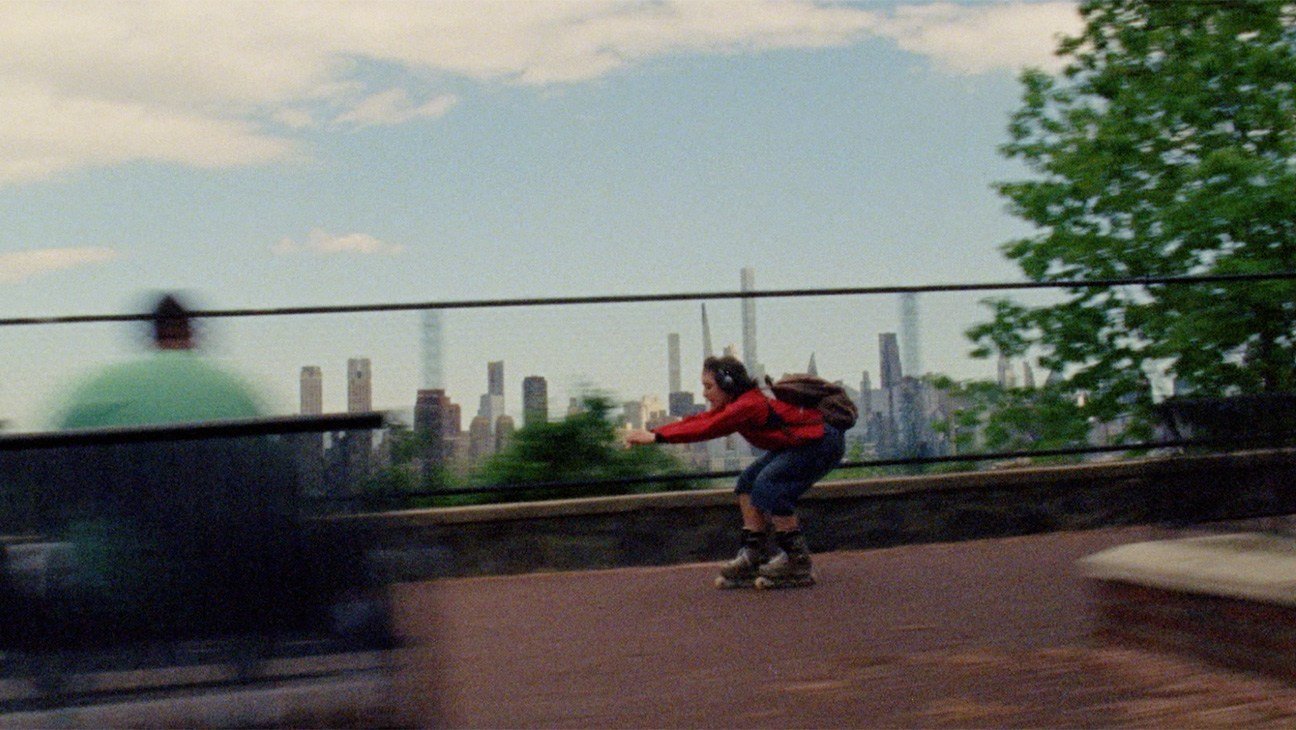
The coming-of-age subgenre is already rather worn out, but there is always room for creative approaches. That said, it is important to clarify that Los días libres, the first feature by Argentine filmmaker Lucila Mariani, with Portuguese co-production by Persona Non Grata, is not necessarily a coming-of-age film, although it can easily appear to be one. The point is that, by the end of the film, we cannot say whether the young pre-adolescent girl has grown up or remains more or less the same. The only thing we know is that strange things are happening on the inside and perhaps on the outside too.
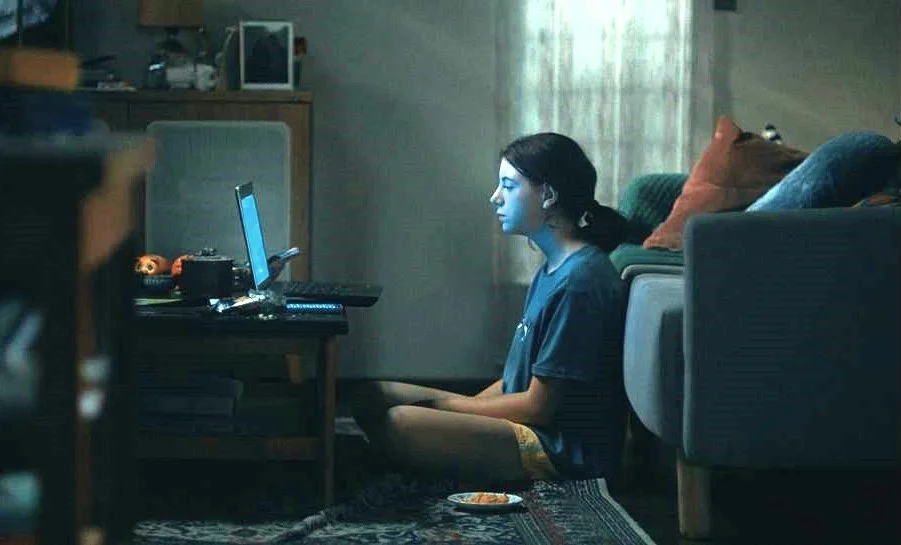
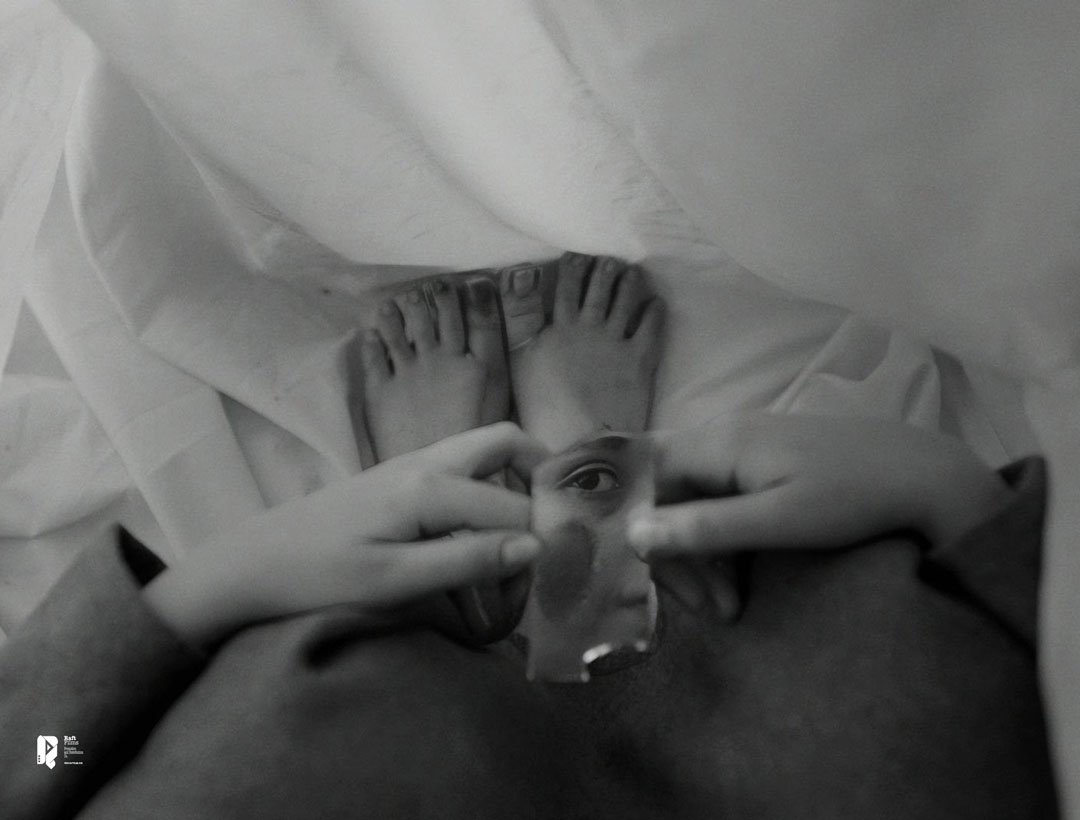
As its title suggests, Los días libres is, first and foremost, a film about idleness. During the long summer months, a girl living in a remote part of Argentina spends hours at home with nothing to do. This state of being on holiday, marked by a void of time and purpose at an indeterminate age, is also effectively conveyed through the positioning of the camera. It discovers new perspectives on objects, often viewing them from below, corresponding to the gaze of a bored child.
Nowadays, childhood and adolescent boredom is easily filled by technological devices and all their well-known dangers: devices that distance us from those closest to us while bringing us closer to those who are far away or even to complete strangers. This is, in part, the path the film follows. Rather than warning us about the dangers of the Internet in moralistic or proactive terms, it portrays the world of this pre-adolescent girl, whose relationships with her peers are fraught with conflict, but who allows herself to be seduced by a kind of virtual shamanic cult. The challenge consists of following a series of precise steps until she reaches a state of trance and alienation from the world, a metaphysical existence.
All of this takes place against, and resonates with, an approaching eclipse (not the one that occurred during the Locarno Film Festival itself and was visible in various parts of the world), making people more fragile and susceptible to being eclipsed. Here, to be eclipsed is defined as entering a state of alienation, abstraction and irreversible vegetative withdrawal.
At this point, it is easy to discern a metaphor not only for family relationships and relationships between peers, but also for society as a whole. We have long lived in eclipsed worlds, or in worlds on the verge of being eclipsed. One might say so.
The film develops along diffuse and non-moralistic lines, but rests on a clear and well-defined idea from its opening moments. Perhaps that is precisely its greatest problem: despite the minor family and social intrigues, it lacks conflict or, at the very least, a path that moves beyond the repetition of the same idea.
The final part of the film is little more than a playful exercise built around ideas already presented, without any particular spark, giving the impression that the filmmaker simply does not know how to bring it to an end. Nevertheless, the last few minutes are cinematically interesting and bold, searching for a spark that will probably emerge in a future film, once the Moon reveals the Sun.
LOS DÍAS LIBRES (THE DAYS OFF)
Argentina/Brazil/Mexico/France, 2026, 84 min.
Written and directed by Lucila Mariani
Cinematography by Victoria Pereda
Edited by Maximiliano Passarelli
Sound by Gaspar Scheuer
Music by Punto y Pacífico
Produced by Paula Zyngierman
Production companies: MaravillaCine, Vulcana Cinema, Persona Non Grata Pictures, Woo Films, Valiente and MISIA Films
Cast: Antonia Robolini, Laura Paredes, Luiza Quinteiro, Guillermo Berthold and Amanda Minujín

One thought on “Locarno, Los Días Libres: The Year of the Eclipse”