

When the Malagasy delegation led by Minister of Communication and Culture Gascar Fenosoa attended the Marché du Film at the 2026 Cannes Film Festival last May, its ambition was to position Madagascar as a filming destination and develop screen tourism. One idea clearly emerged: that of a country seeking to raise awareness of its landscapes and culture through cinema.
The goal is appealing. But is it appropriate to think of cinema primarily as a means of attracting tourists? The seventh art can certainly generate significant economic benefits for the tourism sector, but unlike an advertorial, it is not a tool for promoting a territory. It is first and foremost an art form that conveys emotions and stories, and through which a particular vision of the world can be expressed.
Moreover, the history of world cinema has shown that tourism benefits do not arise from marketing intentions. Rather, they emerge as an indirect and fortunate consequence of films that leave a lasting impression on audiences. Works such as Peter Jackson’s The Lord of the Rings trilogy and the television series Game of Thrones, created by David Benioff and D. B. Weiss, have transformed their locations into tourist destinations. Yet their purpose was not to promote Mount Victoria, Fiordland and the Southern Lakes in New Zealand, or the Croatian city of Dubrovnik, but to create powerful and moving fictional worlds.
In screen tourism, tourists were first captivated viewers before travelling to visit the filming locations they had discovered on screen. Before pursuing this promising avenue, Madagascar must first structure, develop and professionalise its film sector in order to improve the quality of both production and distribution.
Natural Settings and Logistical Challenges: A Potential Waiting to Be Explored
From the spectacular landscapes of Isalo and the famous Avenue of the Baobabs near Morondava to the coastline of Nosy Be, the lush forests of Masoala and the hills of the Central Highlands, the Great Island boasts an extraordinary variety of landscapes that could provide remarkable cinematic settings. Yet these places remain relatively underrepresented on screen.
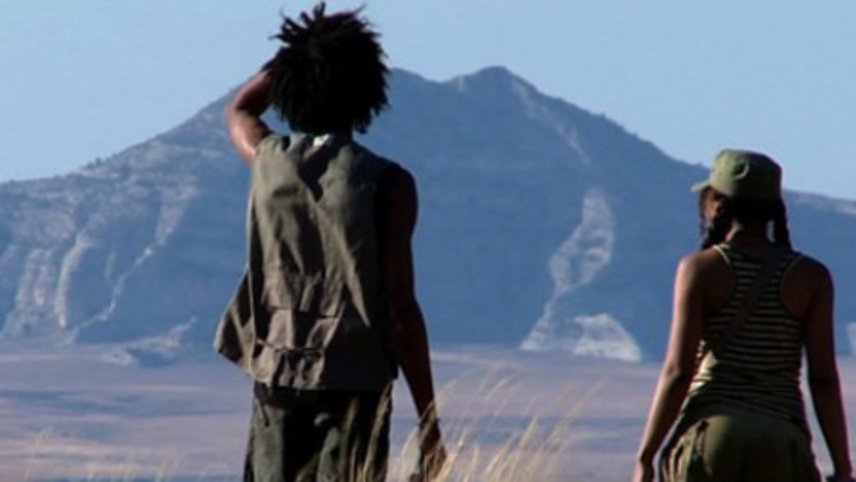
Technical and financial constraints often lead domestic productions to favour urban centres, leaving much of this visual heritage outside the frame. Among the few works to have showcased these landscapes are Raymond Rajaonarivelo’s Quand les étoiles rencontrent la mer (1996), which includes a scene shot on the Avenue of the Baobabs, and Dzaomalaza et le saphir bleu (2010), co-directed by Mamihasina Raminosoa and Radoniaina Andriamanisa, several scenes of which were filmed in Isalo National Park.
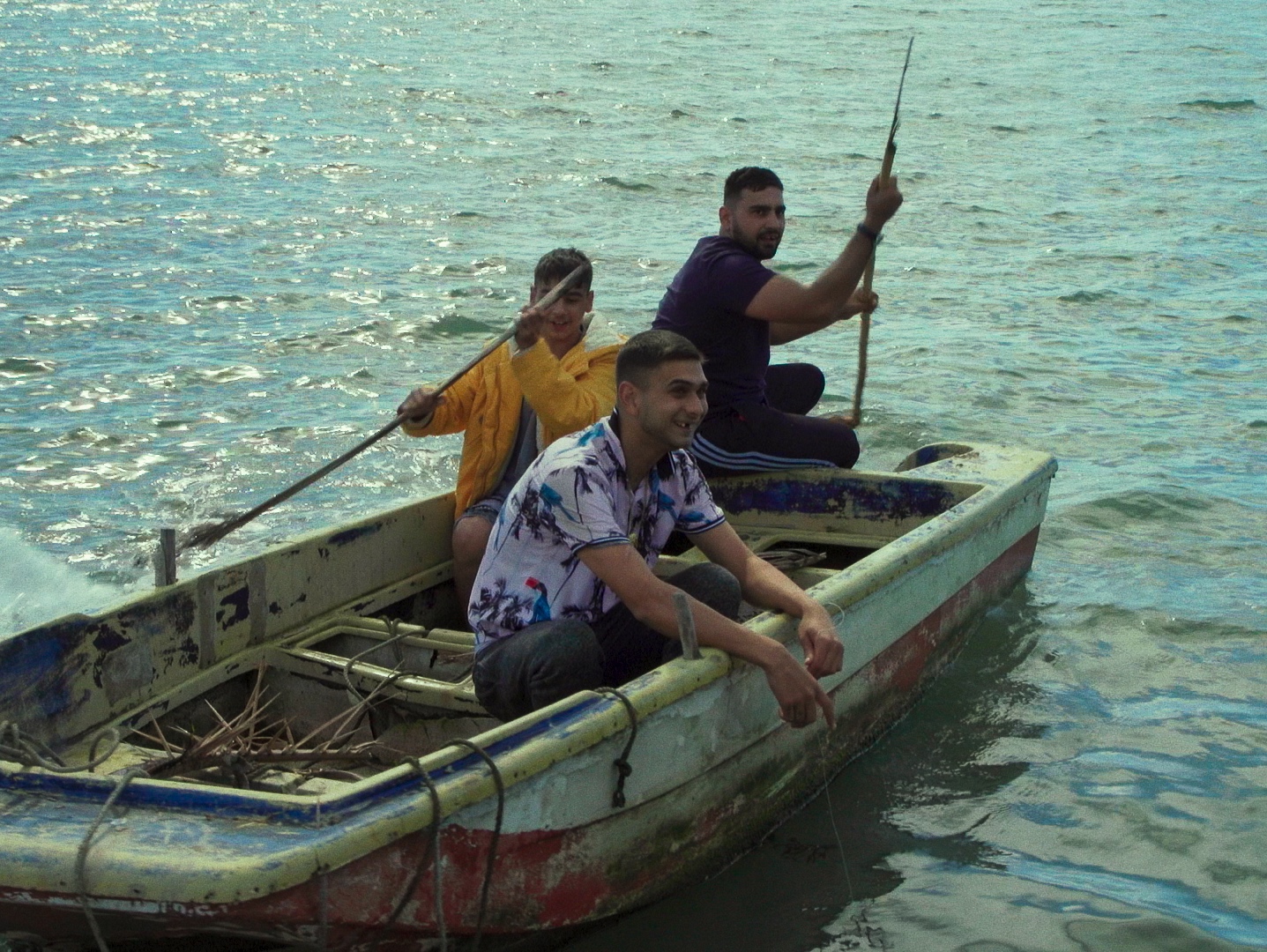
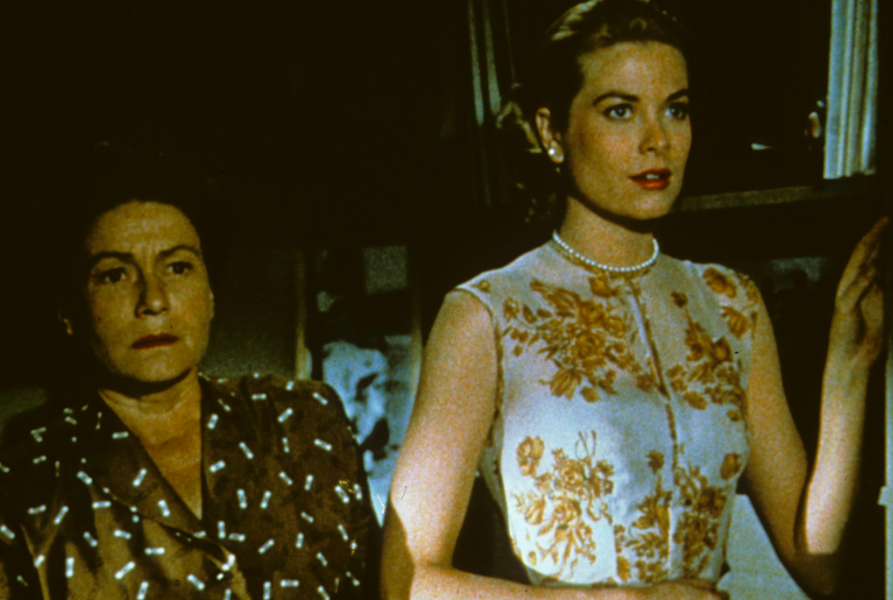
Foreign filmmakers have also occasionally turned their gaze towards Madagascar. As early as 1926, French filmmaker Léon Poirier shot the short film Zazavavindrano (Fille des eaux) in Ambohimanga. Thirty years later, in 1956, Robert Darène filmed La Bigorne, caporal de France in Nosy Be. A handful of international productions, including Christophe Smith’s Michael Kael contre la World News Company (1998) and Sam Miller’s Krakatoa: The Last Days (2006), have used the landscapes of Isalo or Nosy Be as natural settings for certain scenes.
Nevertheless, these remain isolated examples. Despite its remarkable visual heritage, Madagascar is still struggling to establish itself as a major destination for international film productions. The obstacles are well known: limited infrastructure, complex logistics and a lack of support mechanisms tailored to foreign productions. Yet developing the country’s capacity to host international shoots could generate considerable benefits not only for the film sector, but also for tourism, hospitality and services.
Ultimately, the real question is not how to turn cinema into a means of attracting tourists, but how to enable Malagasy cinema to develop to its full potential. If films succeed in telling powerful stories, revealing the country’s distinctiveness and leaving their mark on the collective imagination, screen tourism may then emerge naturally; not as an end in itself, but as one of the many benefits generated by a vibrant cultural and creative industry.