

When we study contemporary auteur and mainstream cinema, adult drama always stays in focus. This is understandable, since the complex social, political and cultural problems of every corner of the world are reflected, one way or another, in every adult. But alongside this worldwide order of things there exist billions of small enclosed worlds, like those that surrounded each of us in our youth: the worlds of our childhood.
The XI Baiqonyr International Film Festival, held in Almaty from 20 to 25 September, drew back the veil a little on these worlds of childhood, hidden from many eyes. The festival was dedicated to the 100th anniversary of the birth of Abdulla Karsakbayev, a Kazakh director rightly called “the father of Kazakh children’s cinema.” In 1967 Karsakbayev’s children’s film My Name Is Kozha received a special diploma at the Cannes Film Festival, becoming the first Kazakh film to be awarded a prize at the festival.
Echoing the theme of the festival, many directors presented works about children and with children at Baiqonyr Film Festival. This allowed me to study with interest how authors from every corner of the world see and “live through” childhood and adolescence.
The short films turned out to be especially interesting, since I fully share the position of the Baiqonyr festival’s management: “Short film is always art.”
East: A Drama of Traditions
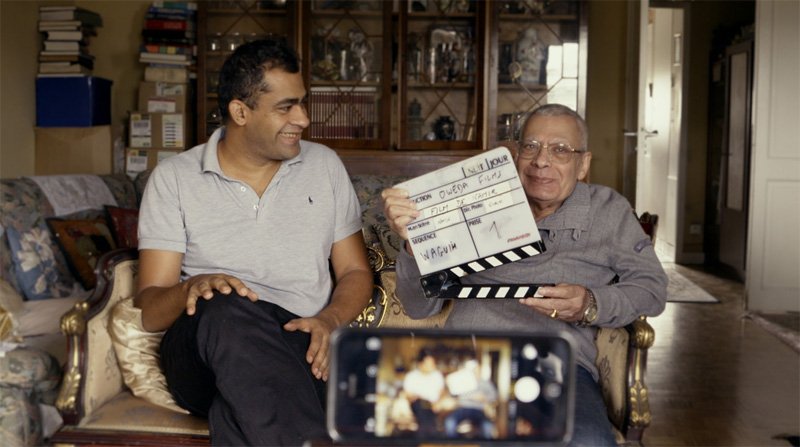
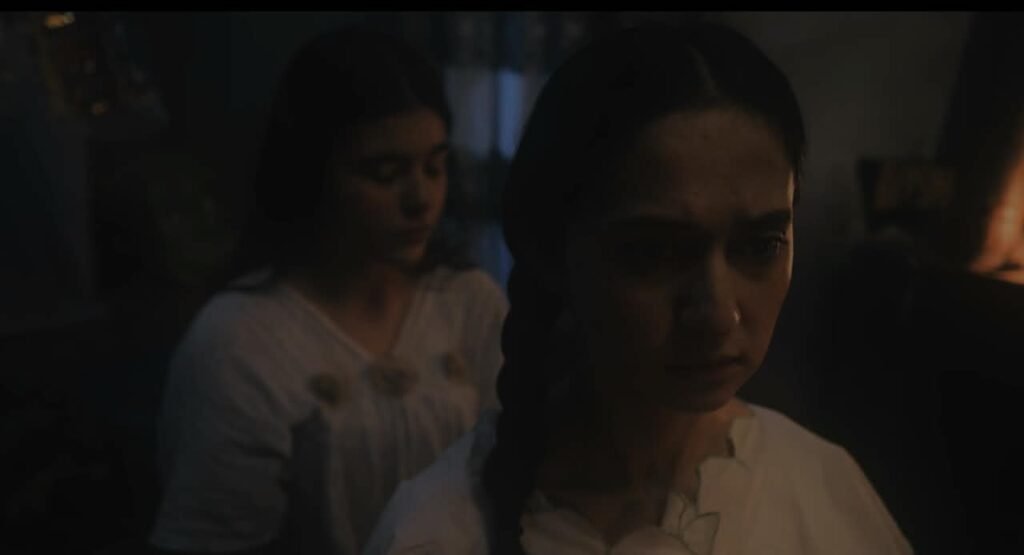
In his film Lukhtak, the director Samariddin Mukhitdinov from Tajikistan chose to raise the same painful theme that authors from Central Asia have been speaking about for decades: marriage traditions that deprive girls of the possibility of deciding with whom they will build a family. But instead of the frequently used devices of over-intensification and demonstrative suffering, Mukhitdinov decides to approach the subject more delicately and to show the tragedy through sisterly love.
Prejudices and habits die hard, especially if we call them “tradition.” The main plot turn of Lukhtak (which means a woven doll) shocks on several fronts at once, because it shows several “traditional” problems of the region together: the girls’ lack of will, early marriages, gender inequality and social inequality.
The film brought Samariddin Mukhitdinov the “Best Director” prize, and quite deservedly: not every author manages to raise such a range of questions so delicately.
North: Hope for Equality
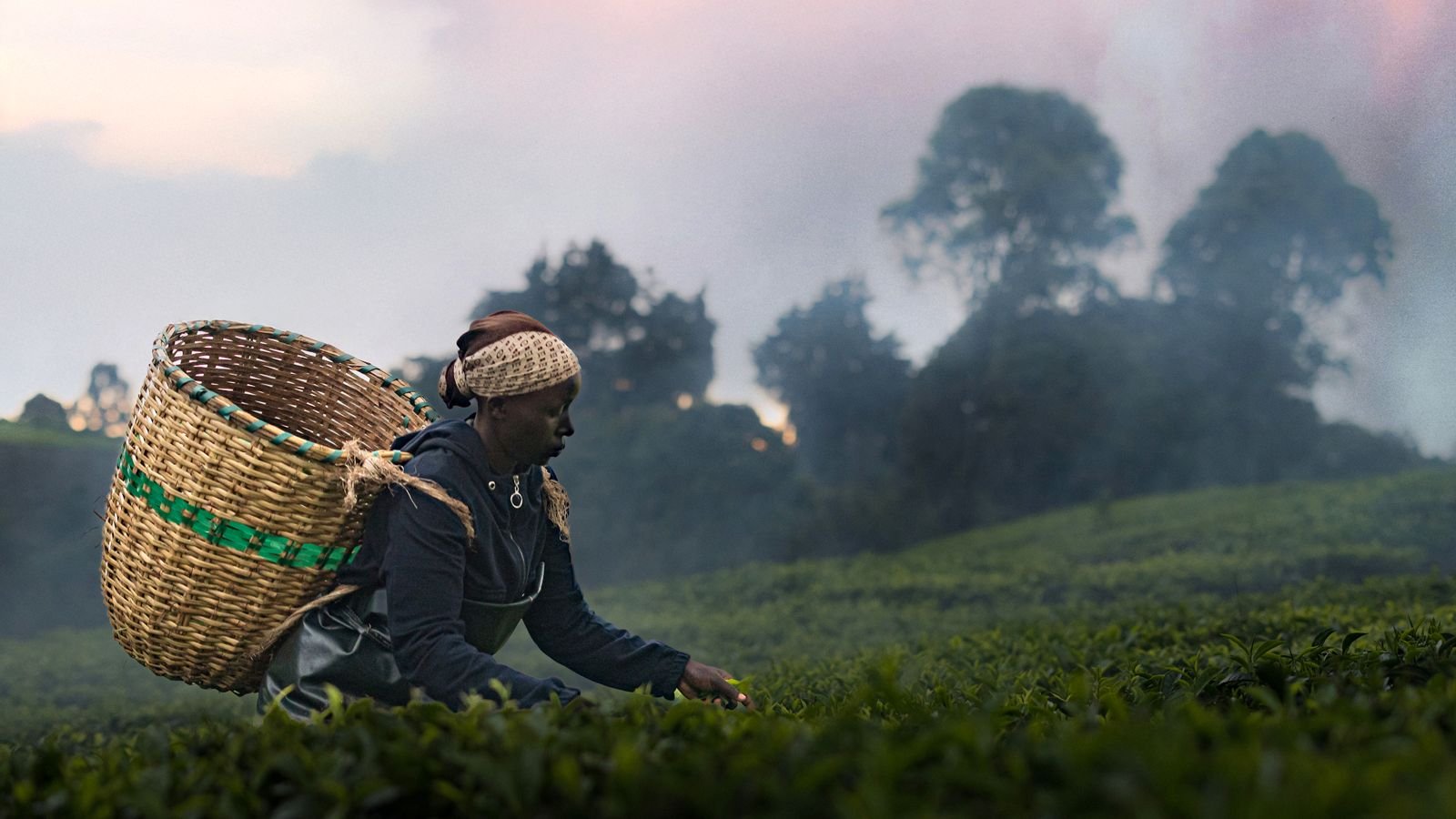
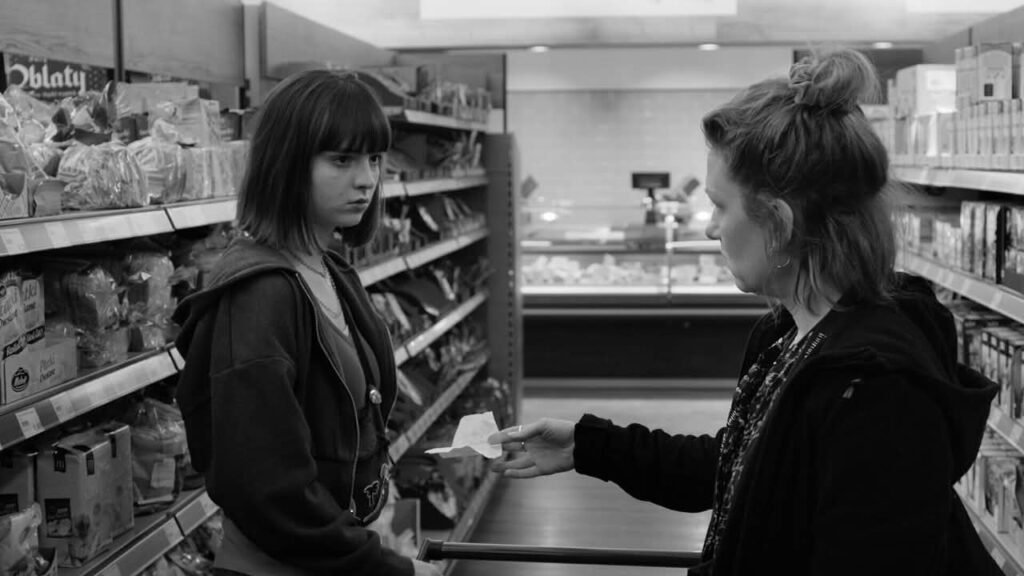
Radically different problems of children and teenagers are shown by Stella Fachinger from Germany in her film Tiger’s Smile. Can a society be considered healthy in which a child feels shame and fear because of being poor? The question is difficult, and the answer cannot be unambiguous. This is why the director’s idea appealed to me especially: instead of examining the problem under a microscope, she chooses to show hope for its resolution.
The main heroine is a teenager from a poor family whose mother “leans heavily on drink.” The heroine’s daily routine is collecting recyclable waste and looking for discount coupons to buy food. Is the girl to blame for this reality? No. Does she feel shame about her situation? Yes. But her classmates, whose reproach and mockery she fears so much, show… no, not even indifference, but a readiness to help. And this hope for reconciliation, in every sense of the word, is the final point of the film.
The jury did not note the film in any way, but in my opinion the ability to raise complex social themes without sliding into criticism and outright tragedy is a difficult move and one that deserves attention.
West: Detached Growing Up
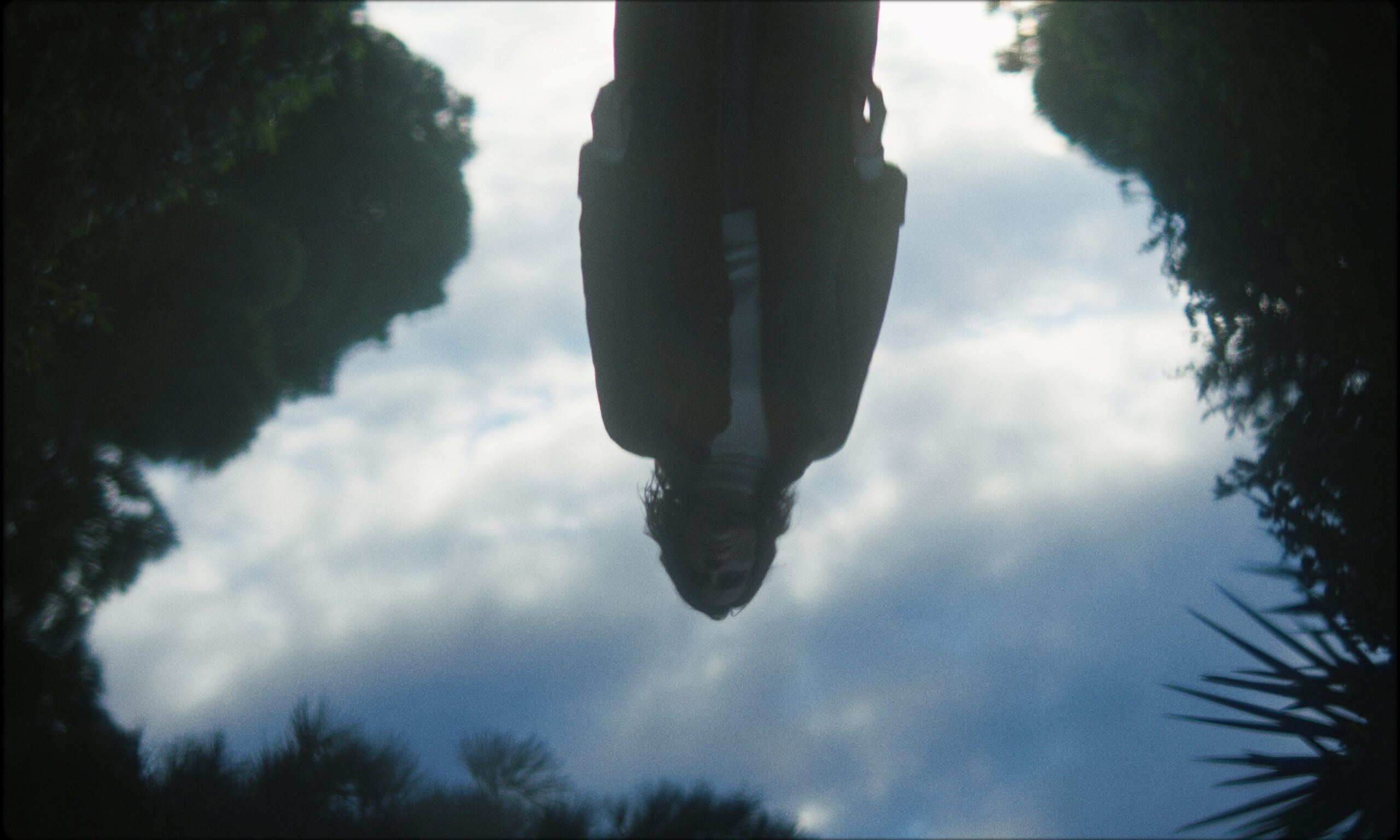
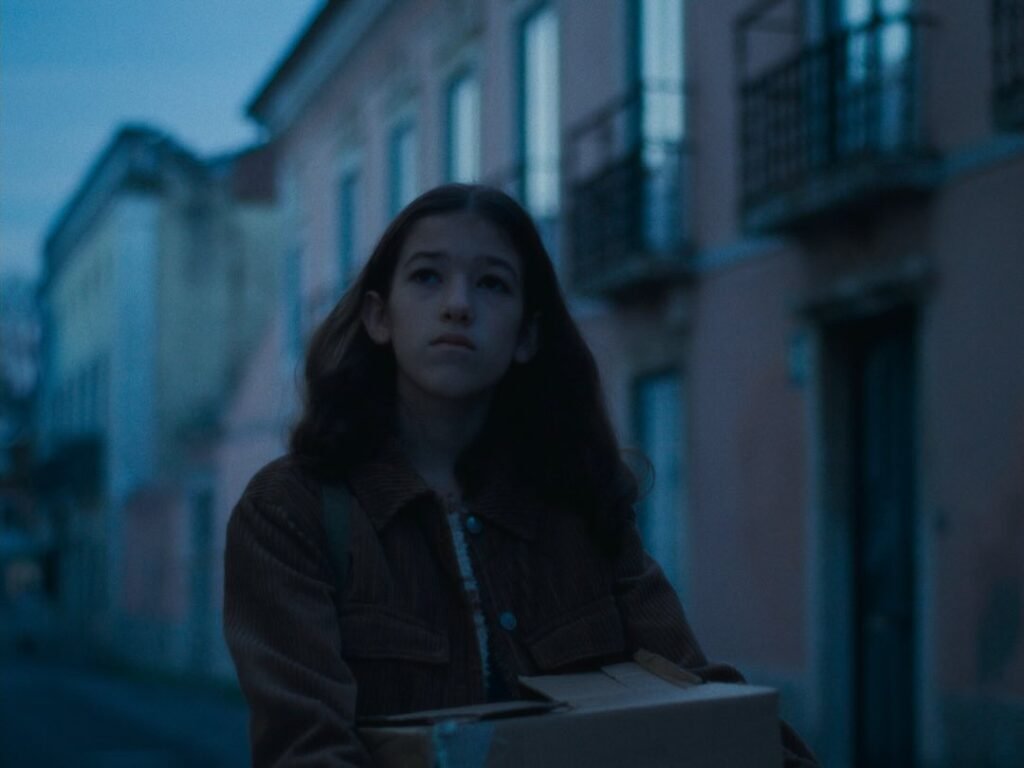
The film Umbral was made by the director Darina Manapova from Kazakhstan, but it is presented from Portugal and speaks about Portugal. The housing problem has long remained one of the painful and complex “adult” problems. But how does a child see and understand this problem?
While the adults wrap themselves, like mummies, in lists of bills and distribute their belongings among suitcases, the young heroine sees quite a different state of things: she will never again see THIS view from the window; she will not walk along THIS street to her home; she will not hide her “secret” in THIS crack in the house.
And although the film did not win any prizes, it won the interest of the viewers, largely thanks to its conspicuous cinematography and the acting of the main heroine. She managed to show the trauma of a child, a small one but a trauma all the same, who in the moment does not herself understand that she has received it.
South: Youthful Maximalism
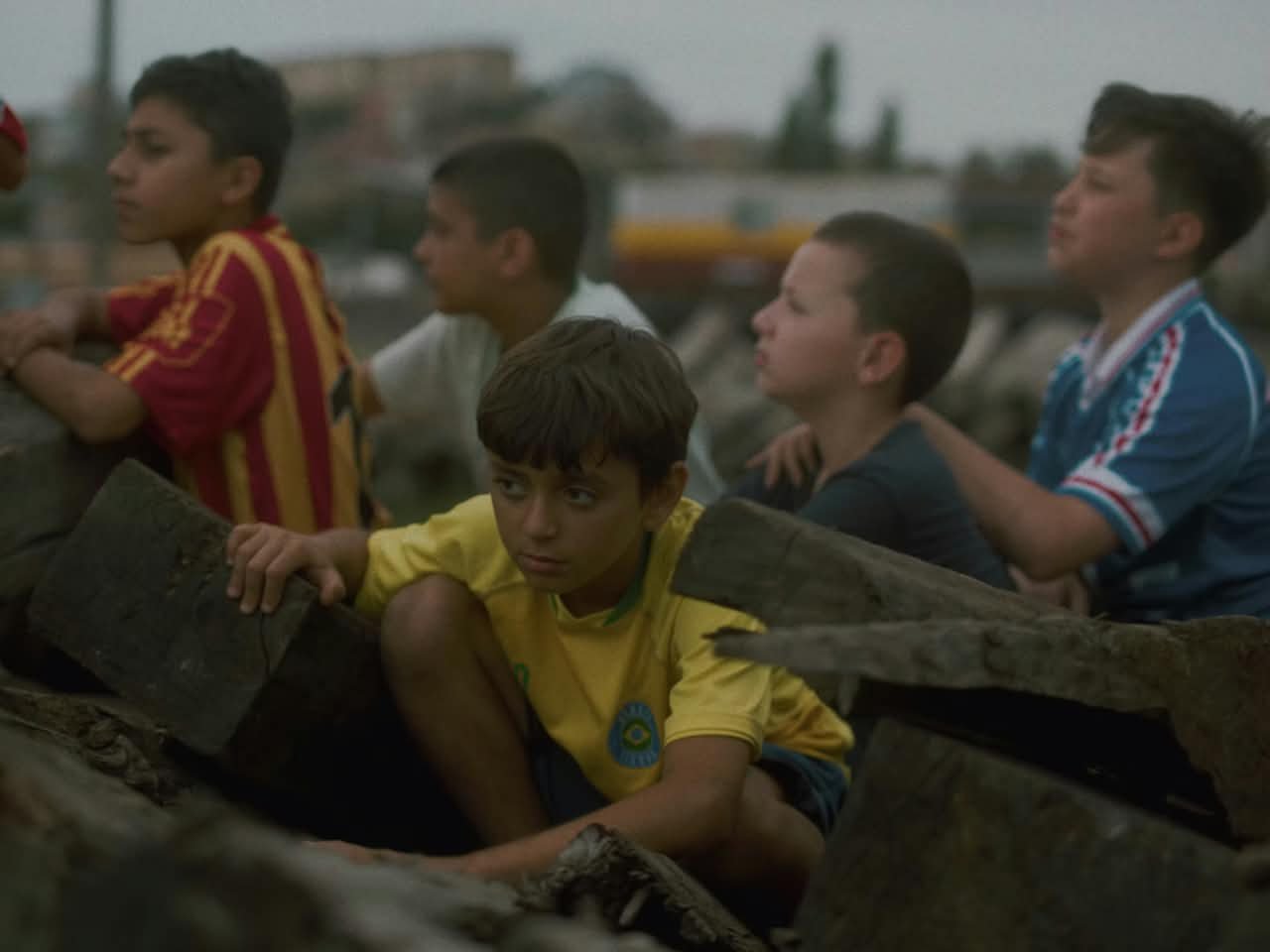
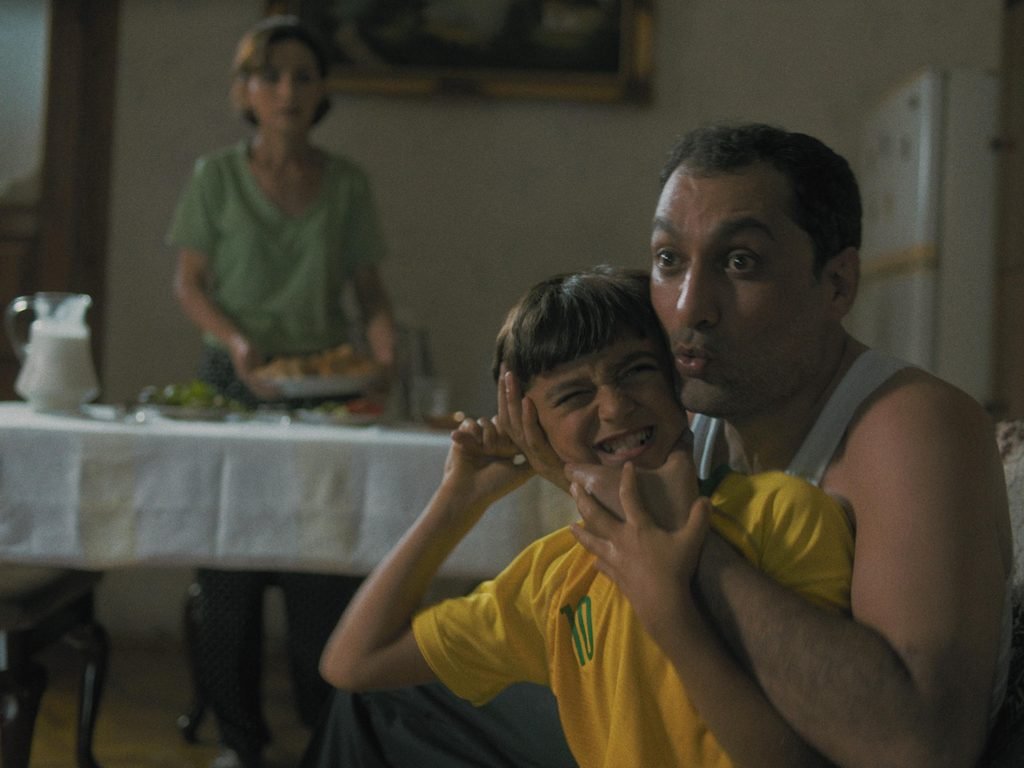
The funny and hot-tempered children’s world of the Caucasus was shown by the director Nurlan Hasanli from Azerbaijan in the film Early Feelings. In his early years a person perceives the surrounding world in complete freedom from many logical, contextual and moral ties. What for an adult is the tragedy of an elderly neighbor’s death is for a child a chance to admire a pretty girl from another floor. What for an adult is a harsh confrontation of cultures before millions of viewers is for a child an ordinary football match, in which faraway Brazil is dearer than neighboring Turkey.
And what for an adult is an attack with a bladed weapon is for a child a chance to get to one more funeral ceremony and admire that same girl. Nurlan Hasanli managed to show the whole boundlessness and recklessness of children’s feelings through absurd and comic scenes, without turning the whole film into an ordinary comedy.
The film received the “Best Film” award of the international short film section, and deservedly: the delicacy with which the director showed in visual images the volcanoes and tsunamis of children’s emotions, held back by nothing, makes one remember one’s first love, one’s first “enemy” and one’s first “victories.”
The program of the XI Baiqonyr Film Festival showed the restrained resistance of the East, the search for equality of the North, the contemplative resignation of the West and the hot blood of the South, and all of it through the prism of children’s perception. And there is wisdom hidden here: while we teach our children to be like us, children can teach us to be like ourselves.
LUKHTAK
China, Tajikistan | 2024 | 15 min
Director & screenplay: Samariddin Mukhitdinov | Cinematography: ZiQing Yang | Editing: Cidarth Sajith, Samariddin Mukhitdinov | Music: Daler Nazarov | Cast: Fotima Miraminova, Takhmina Valieva, Latifa Miraminova | Production: Beijing Film Academy
TIGER’S SMILE (Tigerlächeln)
Germany | 2025 | 7 min
Director: Stella Fachinger | Screenplay: Tatjana Standky | Cinematography: Fee Kreuzer | Editing: Robert Strauß | Producer: Veronika Pfahler | Cast: Pola Geiger, Anna Blomeier | Production: Hamburg Media School.
UMBRAL
Portugal | 2025 | 8 min 30 sec
Director: Darina Manapova | Screenplay: Riley Pesjak Richardson | Cinematography: Anand Bansal | Editing: Abhishek Gupta | Music: Cocompi Tantavilca | Producer: Chiara Pizzichella | Cast: Guadalupe Soenen Miranda, Carla Madeira, Miguel Linares.
EARLY FEELINGS (Erkən Hisslər)
Azerbaijan, Turkey | 2025 | 18 min
Director & screenplay: Nurlan Hasanli | Cinematography: Daniel Guliyev | Editing: Iman Imanov | Music: Kanan Rustamli | Producers: Emil Najafov, Fahriye Ismayilova | Cast: Shafi Sadig, Tural Bakhish, Vusala Agayeva | Production: Rental Azerbaijan, Parda Film.