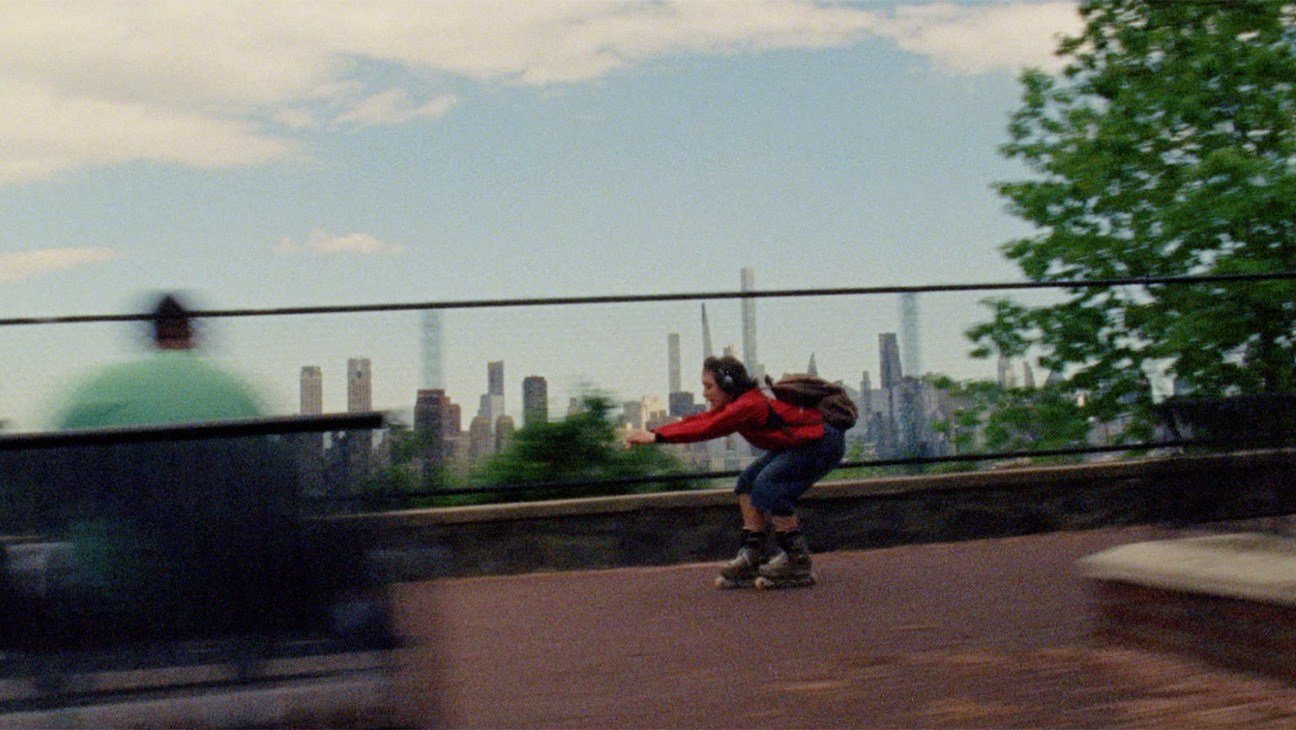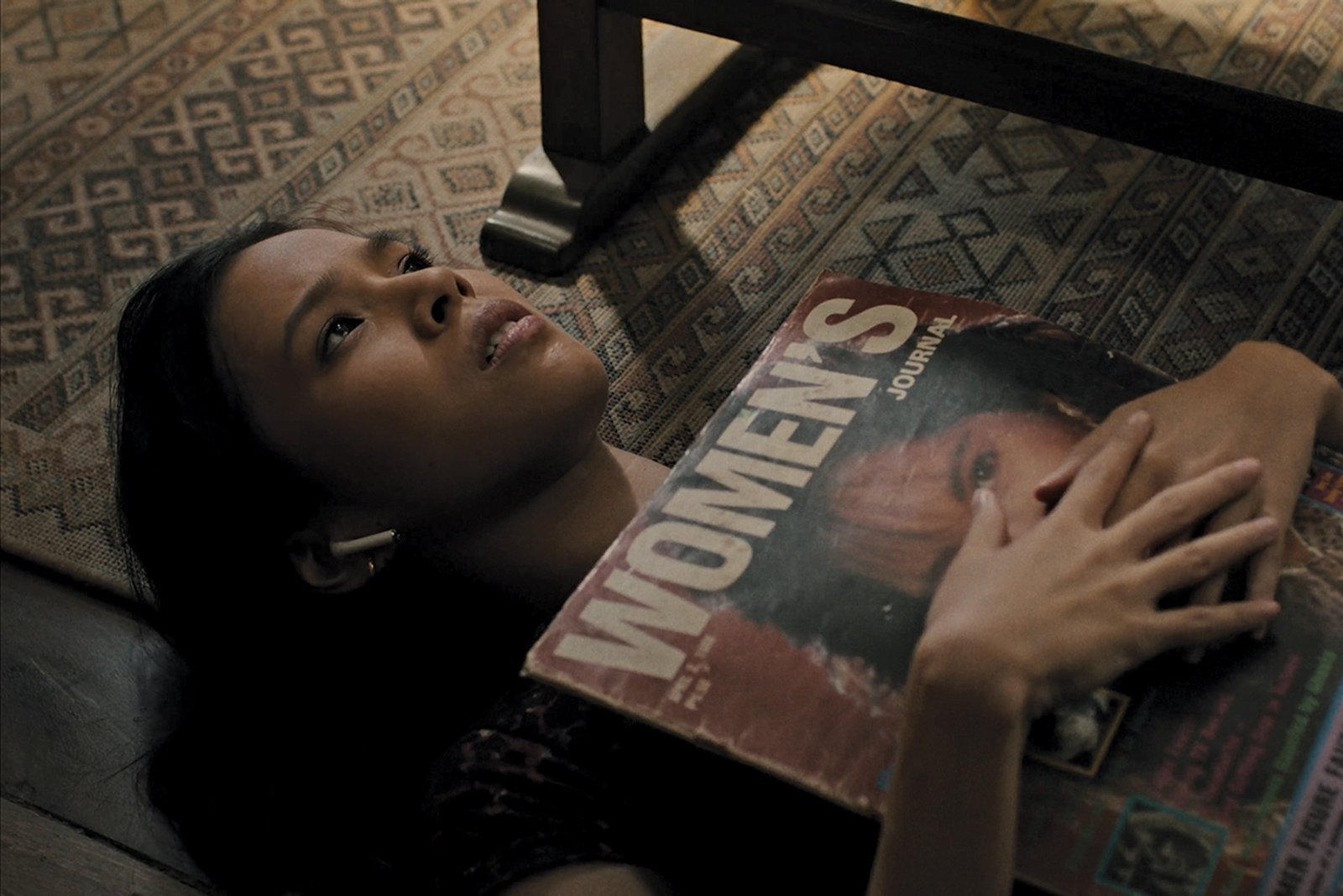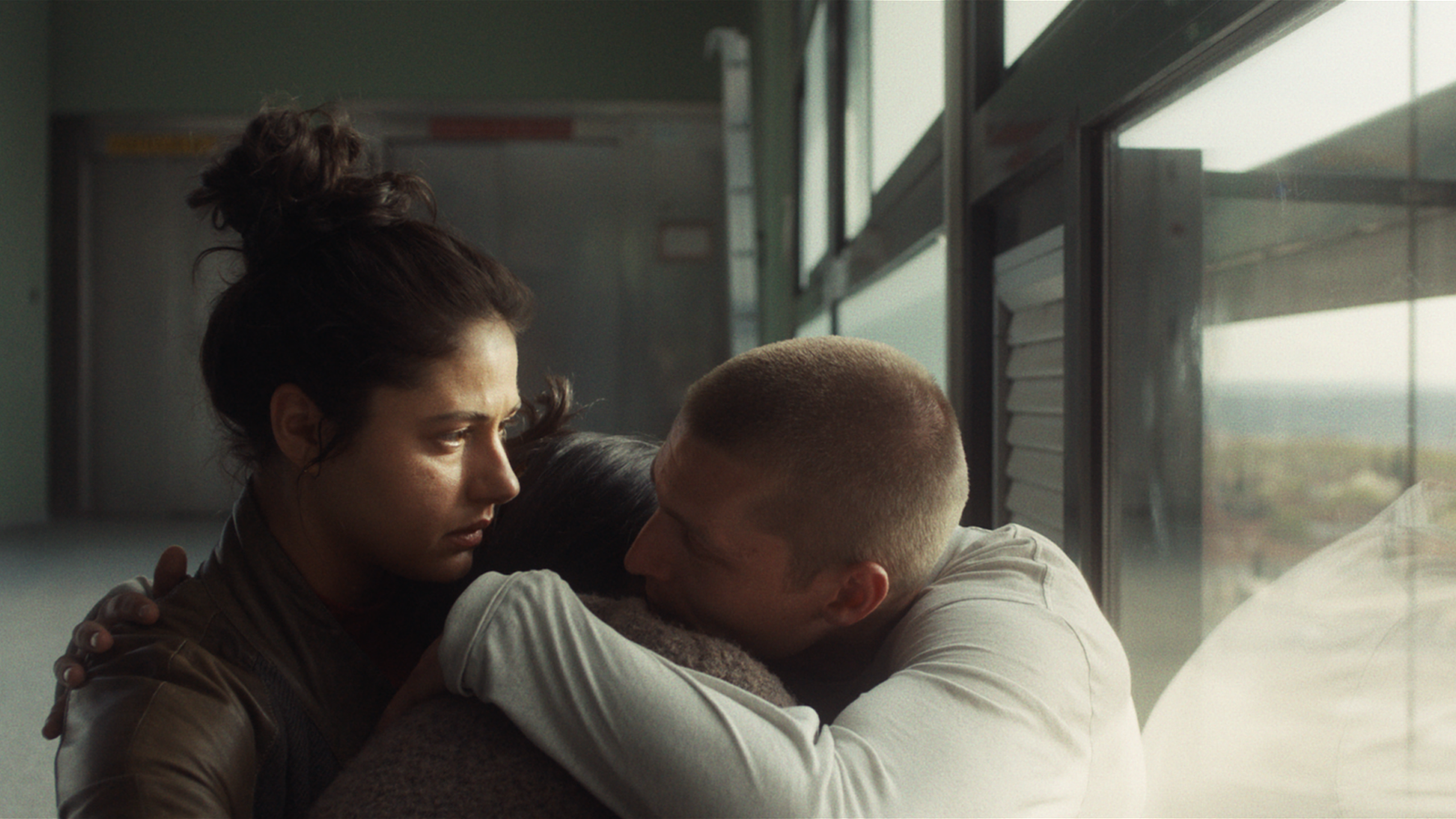

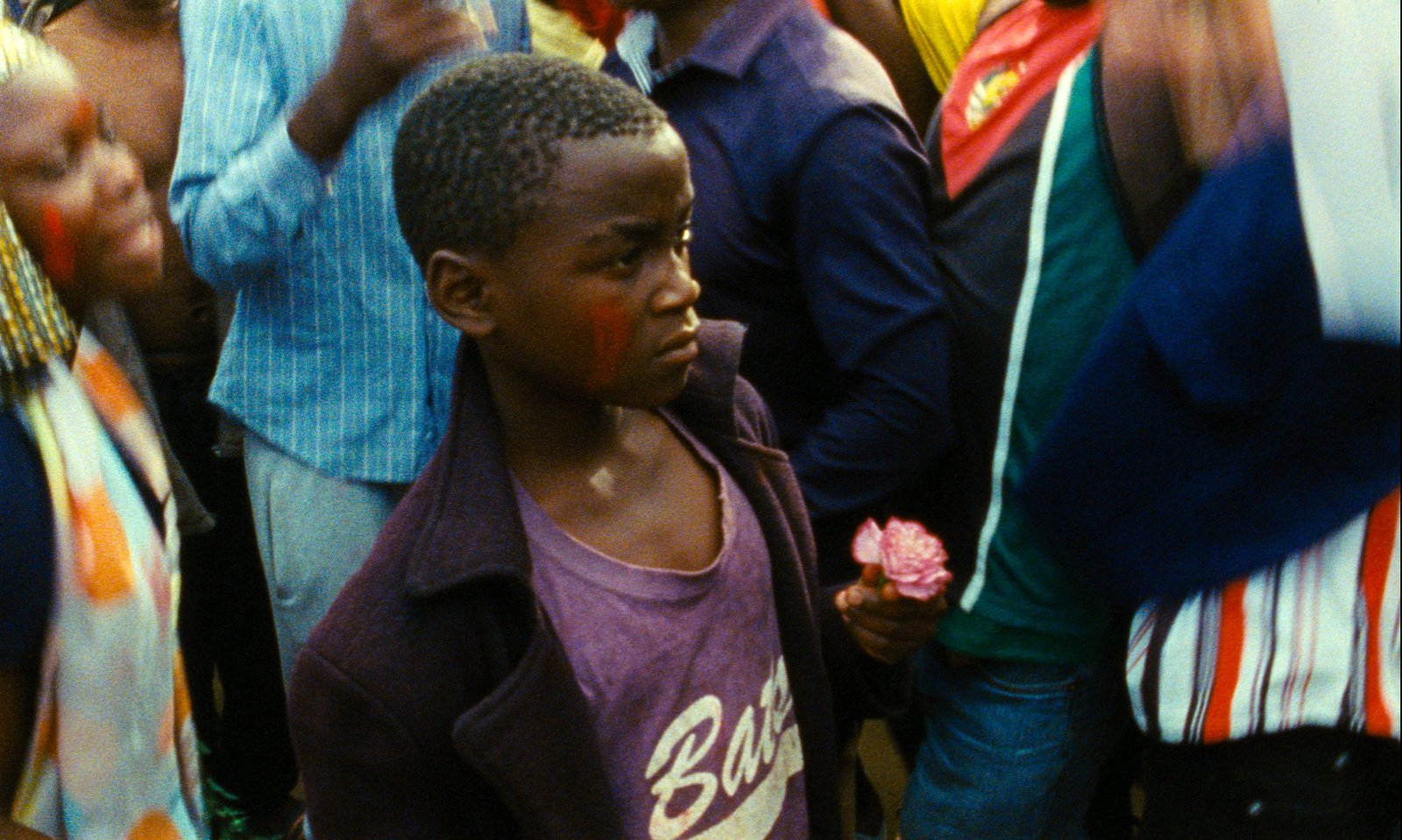
Two documentaries presented at Doclisboa offer a broad portrait of Mozambique from its independence in 1975 to the present day. Pedro Neves’s Os Continuadores da Revolução and Ico Costa’s People and Power could be shown, in that order, as a double bill lasting more than four hours: they complement each other chronologically, despite being very different in nature.
Pedro Neves moves from Portugal to Mozambique through the images of Manuel Roberto, a Mozambican photographer he met in Porto. Ico Costa is already there: his starting point is Mozambique, the African country where the Portuguese filmmaker has found his cinematic raison d’être over the past decade. People and Power, like his previous works, belongs even more clearly to Mozambican cinema than to Portuguese cinema (not that this matters particularly).
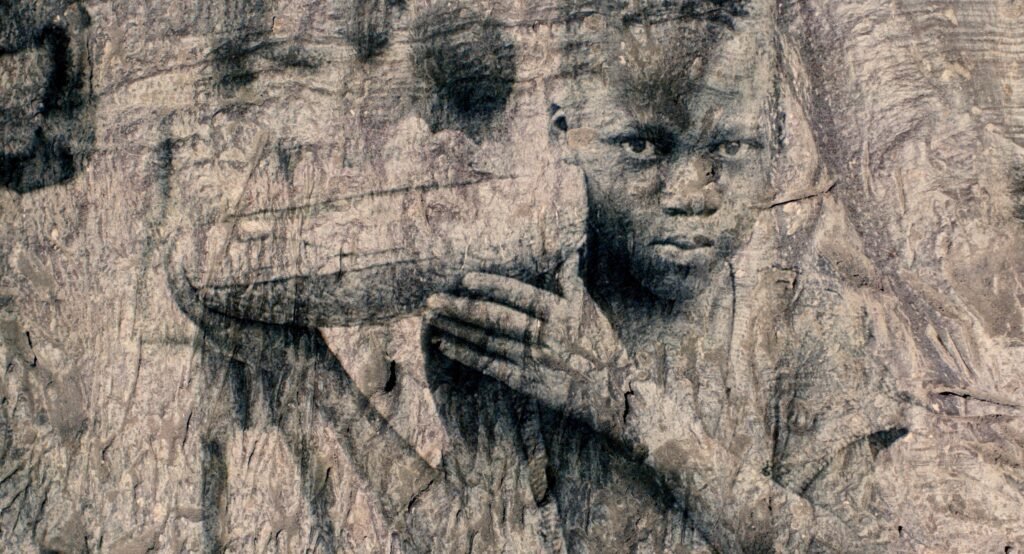
Os Continuadores da Revolução is narrated by the filmmaker himself. In voice-over, he recounts his relationship with Mozambique and the revolution, beginning in Porto with his discovery of the photographer Manuel Roberto. The use of a personal tone as a narrative framing device feels somewhat forced, seeking to draw an analogy between Pedro Neves (b. 1977), a child of the Portuguese Revolution, and Manuel Roberto (b. 1965), a bearer of the Mozambican Revolution’s legacy. It is an explanatory gesture: the filmmaker feels the need to tell us how he came to be there, making his journey seem natural. It also becomes a means of dialogue: he arrives in Mozambique through a Mozambican’s work, listens to him and makes him the guiding thread of the film. And the material is immense: Manuel Roberto made thousands of negatives available.
The film offers a worthwhile introduction to Manuel Roberto’s work. The photographer has chronicled the country’s turbulent life since independence with an intimate, wide-ranging eye. He ventures beyond war and poverty to capture simple moments, such as children playing in a park.
“Continuers of the revolution” was how Samora Machel described the children of the independence era, entrusting them with the responsibility of making its utopian promises a reality. Mozambique never fulfilled its promise. And the film does not shy away from a critical, politically engaged stance, showing and reflecting on the country’s trajectory, its damaging departures from founding principles, the absence of democracy, hunger, war and betrayed utopias.
It is an attentive film, seeking a certain authenticity as it travels through parts of the country and finds visual correspondences between the photographs and footage of present-day Mozambique. It nevertheless gives centre stage to the photographs and the photographer, while allowing the filmmaker a more subjective, sometimes even poetic gaze upon contemporary details.
People and Power
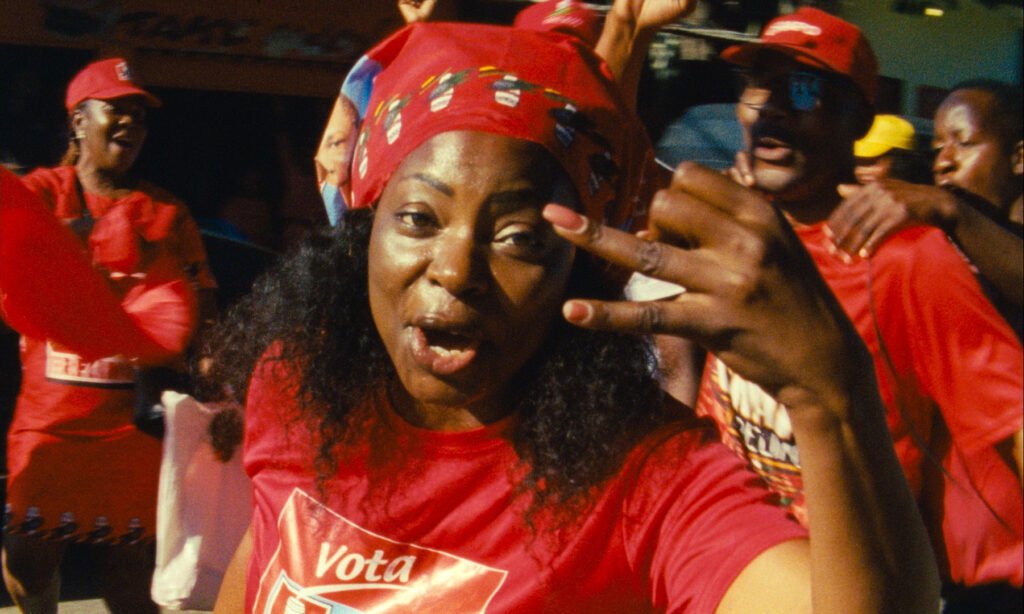
People and Power, meanwhile, is an even more ambitious work. Nineteenth-century English fiction saw the emergence of what became known as the “state-of-the-nation novel”. These books, usually long, aspire from the outset to a broad portrait of the country, rather than simply moving from the local towards the universal. People and Power is, in this sense, a magnificent exercise in state-of-the-nation filmmaking. Its point of departure is Mozambique’s 2024 elections.
Ico Costa and his crew travel the length and breadth of the country, reaching the vicinity of Cabo Delgado, a region currently at war. The film achieves this breadth, conveying the sense of a national portrait made by people conscious that they are documenting a period of great historical significance.
The title, People and Power, brings to mind As Armas e o Povo, the collectively made Portuguese film that captured the April 1974 Revolution on the streets with such spontaneity and immediacy. Ico Costa’s film achieves that same closeness. The camera is among the people. It asks questions and listens. What truly drives the film is the vox populi: people’s perspectives on Mozambican reality, between despair and the possibility of change.
The aim is plurality and heterogeneity. Costa’s film is answerable to no electoral commission, yet it seeks diversity, both geographical and political. It observes and listens to supporters of the different parties, who generally behave like football fans. This approach is eventually overtaken by reality itself, given the scale of the phenomenon surrounding Venâncio Mondlane’s candidacy.
Mondlane emerged as the leading populist figure, the strongest challenger to Frelimo’s entrenched power. Rather than the film taking sides, reality asserts itself: Mondlane achieved an unprecedented popular mobilisation.
Even before this, the film was never wholly impartial, although the filmmaker does not intervene through narration. It is interspersed with more sustained testimonies and analyses that take a critical view of the country’s direction. These are the sober voices of people who genuinely believed in the revolution as Machel envisaged it, but who are disillusioned with the course it took. The film also draws on footage from Robert Van Lierop’s O Povo Oprimido. It bears remembering that Frelimo has governed Mozambique since independence in 1975.
An awareness emerges of the government’s manipulation of power. This becomes even more blatant in the post-election period. International observers denounced various irregularities and instances of fraud, pointing to the manipulation of results in Frelimo’s favour. Mondlane, officially credited with just over 20 per cent of the vote, rejected the election results and called for mass demonstrations from exile. The crackdown on the protests left 389 people dead and 3,500 injured, alongside 4,300 unlawful detentions. The film ends in this state of siege. People are crying: “You can kill us, but we won’t give up!” And itt goes no further because, according to the filmmaker, the minimum conditions for filming safely could no longer be guaranteed.
People and Power is one of the most important films in the history of Mozambican cinema. And probably Ico Costa’s most significant work, following the fiction feature Gold Songs and the documentary Balane 3, both filmed in Mozambique.
Os Continuadores da Revolução — Pedro Neves · Portugal, Moçambique, França · 2026 · 91 min · Documentário. Fotografia: Pedro Neves; fotografias de Manuel Roberto. Montagem: Tomás Baltazar e Pedro Neves. Som: Ricardo Leite. Produção: Red Desert, JBA Production e Incomati Films.
Povo e Poder / People and Power — Ico Costa · Portugal, França, Moçambique · 2026 · 190 min · Documentário. Fotografia: Raul Domingues, Lisa Lombardo e Joana Silva Fernandes. Montagem: Diogo Vale. Som: Luís Duzenta. Produção: Oublaum Filmes, La Belle Affaire Productions e LD Filmes.