

Kamila Serwicka’s Blossoming and Camille Bildsøe’s If Luck Will Come approach growing up under oppression from opposite sides of the camera.
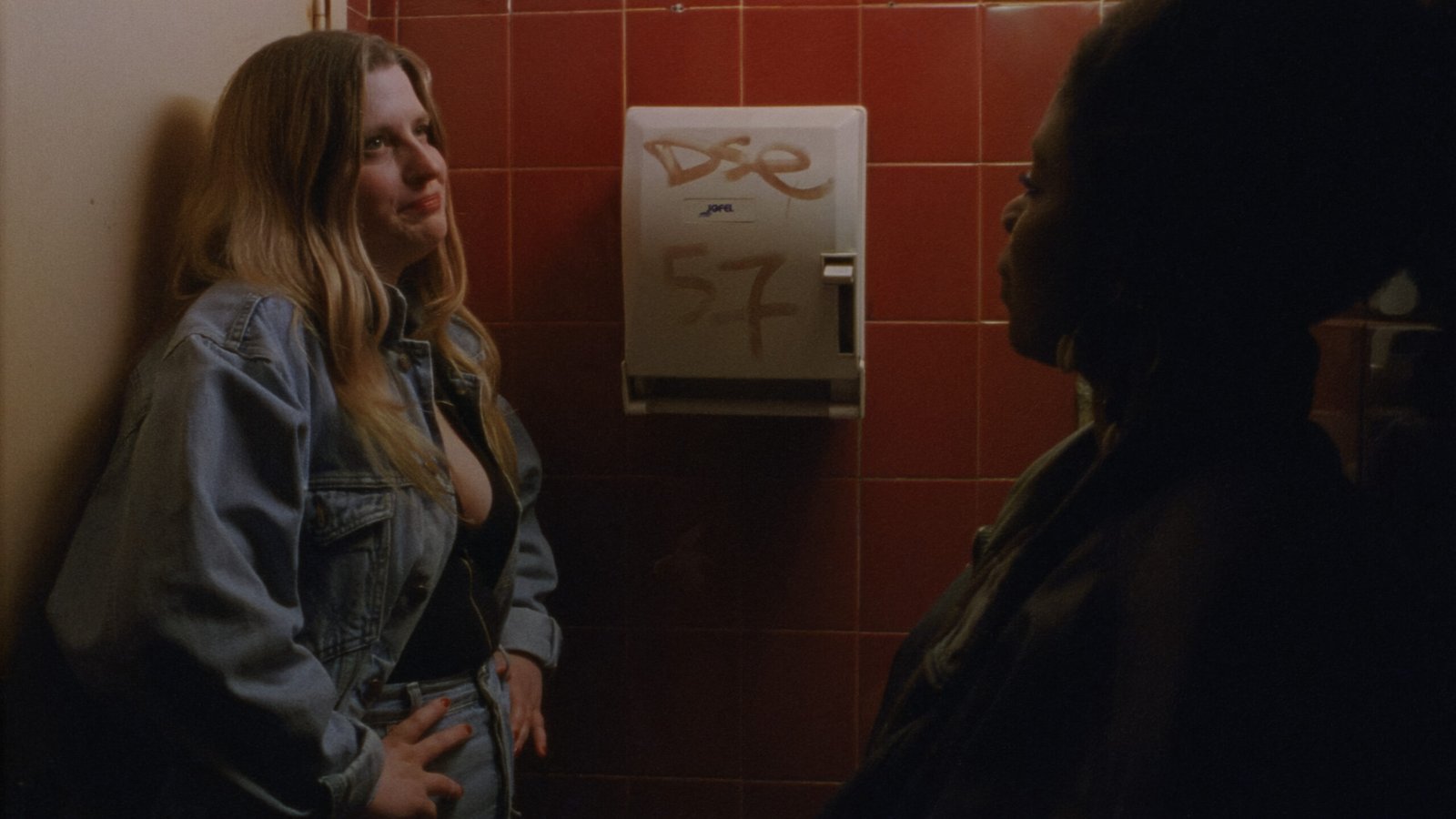
In Maria Bäck’s Brave New Love, we encounter a society so progressive in its attitudes to gender that, in a utopian sense, we might almost call it post-feminist. Kamila Serwicka’s Blossoming and Camille Bildsøe’s If Luck Will Come take us to the opposite extreme. The former explores gender-based violence within a family in provincial Poland; the latter takes us into the depths of the Taliban regime’s oppression of Afghan women and children.
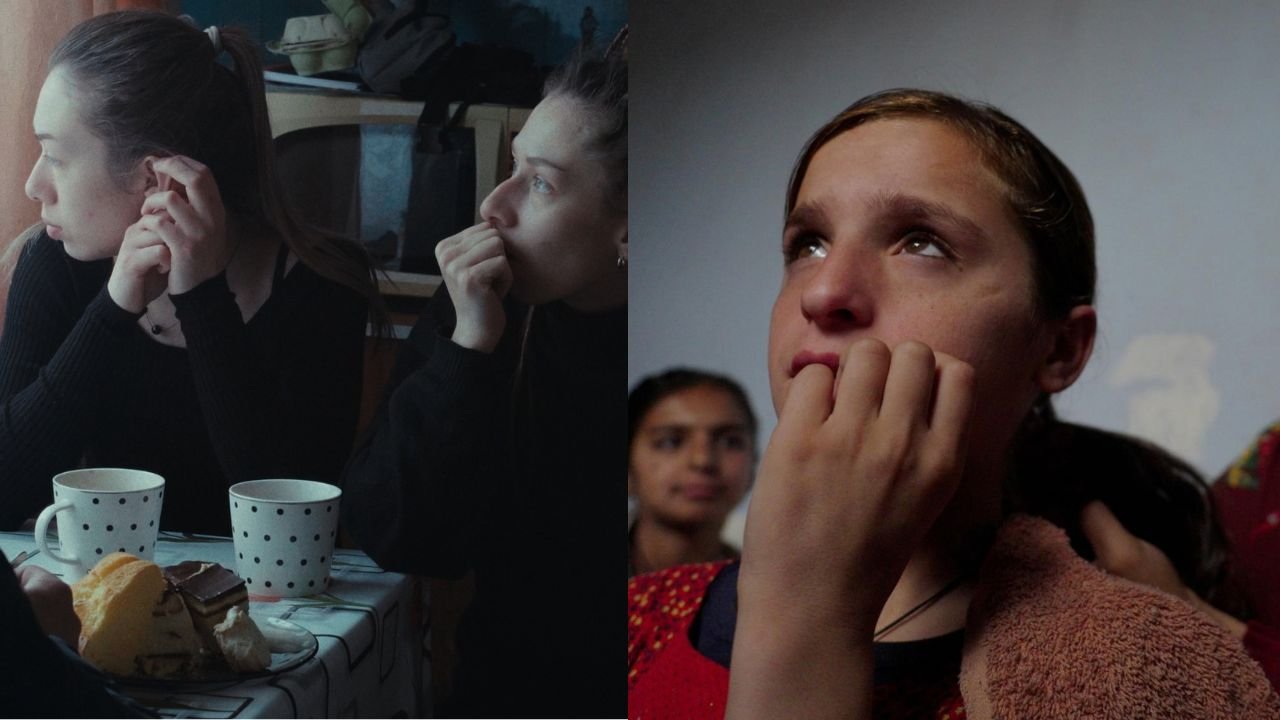
Blossoming is striking from the outset for the way it is filmed. Many of us have felt that life is like a film, but we rarely have a camera at hand to record its defining moments. For some reason, the young Polish filmmaker did. And she kept filming her own life, particularly her family, through its most painful and difficult moments. The camera is visible, its presence acknowledged.
Made with limited means, the film gives us the view from inside the house. Kamila lives with her two sisters, her mother, father and grandmother in a provincial Polish town. Her mother works in a warehouse; her father is an alcoholic who subjects his wife and daughters to physical and psychological abuse. At times he leaves the family home; at others he returns, full of remorse. Eventually, Kamila’s mother takes legal steps to separate from him and is no longer moved by his attempts to come back. All of this is told with the authenticity of someone who is there.
We know that domestic violence cuts across social classes and national borders in many European countries, Portugal included. The film therefore has the immediate value of exposing a case that is far from exceptional. It does so forcefully, creating an intimacy that draws us into this world of women tormented by one man’s violence.
But Blossoming is more than that. Kamila’s generosity in sharing images of her suffering makes the act of filmmaking a kind of character in the film. Filming becomes part of a process of speaking out and escaping that environment, a means of survival. As if to say: if this causes so much pain, let it at least serve some purpose; let me share my pain with the world. Through it all, the film retains the credible texture of a self-aware high quality home movie, grounded in a pact of authenticity.
Blossoming is a forced, perhaps premature, coming-of-age story, lived between domestic violence and a conflicted attachment to the abuser. Growing up means, in a sense, killing the father, though that act cannot, on its own, undo the trauma.
In this respect, the contrast with If Luck Will Come is stark. In Camille Bildsøe’s film, there is no father to kill. The oppressive force comes from outside, and it is devastating. The children can still make up games about family life; the problem is that they cannot avoid growing up. What is most distressing about the film is its vision of coming of age as a journey towards a black hole, a terrifying void. For Afghan girls, growing up means dying inside.
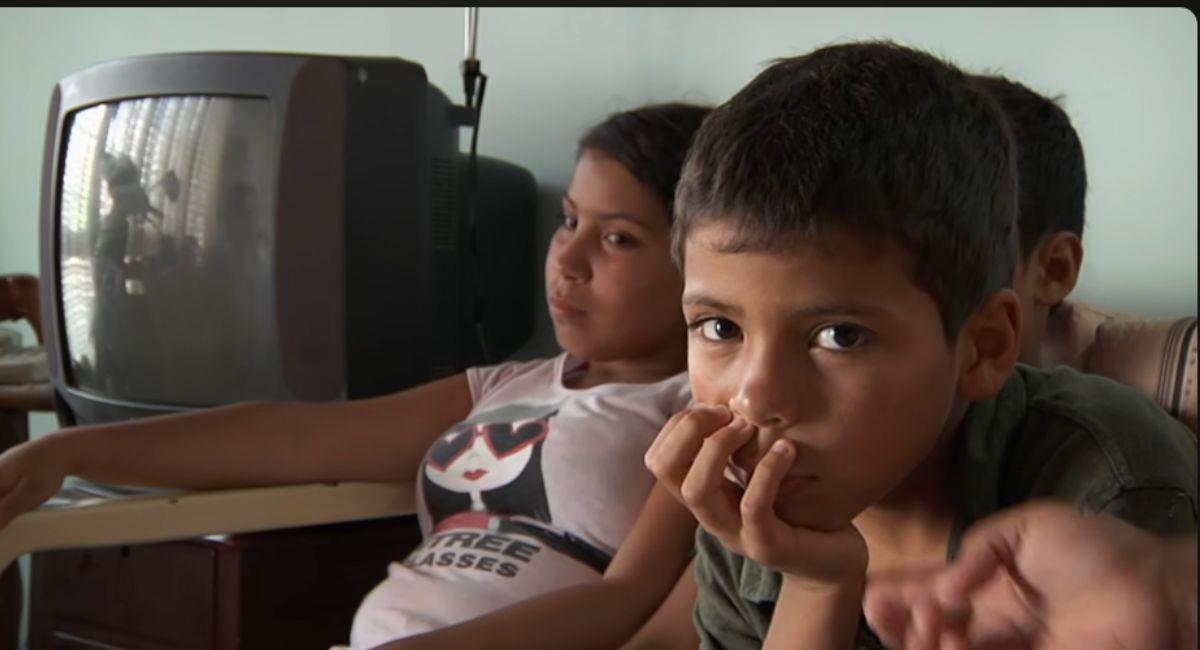
The films’ aesthetic approaches also diverge. In Blossoming, Kamila acknowledges the camera’s presence, in a mode close to cinéma vérité and the confessional diary. In If Luck Will Come, the camera remains invisible. The children behave as though no one were filming them, almost like actors playing out their own lives. Achieving that impression takes time and a familiarity that allows the camera to fade into the background, dispelling any sense of artifice. Yet its apparent invisibility does nothing to diminish our closeness to the children. The shots seek intimacy in the depth of their gaze, as though trying to reach the soul through the eyes. The camera also stays at the children’s eye level, as if children were filming other children. Despite the tragedy surrounding them, If Luck Will Come has the feel of a film for young audiences. It is no coincidence that it screened in the Locarno Kids section.
If Luck Will Come follows a circus project for children in Kabul, centred largely on juggling. It is a beautiful film and, at moments, recalls episodes from Francis Alÿs’s Children’s Games. There is something deeply moving about the hope with which it captures the children’s joy as they juggle. It is as though the world around them stops and they are allowed moments of complete happiness.
The film gradually focuses on two stories: that of a boy whose father, physically disabled and without money, faces an economic dead end; and that of a girl forced to leave her home, also for financial reasons. The wider context is even more devastating than what we see. On the radio, we hear announcements of ever tighter restrictions imposed on women by the Taliban regime. For many girls, the future contracts to the walls of their homes, with even the right to continue their education taken away.
The United States and its allies were not the only ones to leave the Afghan people at the mercy of the Taliban regime. The international media, too, seem to have forgotten them, turning their attention to other tragedies. Let us hope Camille Bildsøe’s film brings a little light to their lives.
From Afghanistan to some homes in the supposedly civilised West, our world remains no place for a girl to grow up.
Blossoming (A teraz wiosna, 2026) — Poland, 77 min, documentary. Directed and shot by Kamila Serwicka; edited by Julia Oleksy and Jakub Darewski. Production: Lumisenta Film Foundation.
If Luck Will Come (Hvis lykken vender, 2026) — Denmark, Iceland and Norway, 90 min, documentary. Directed by Camille Bildsøe; cinematography by Jonas Skovbjerg Fogh; edited by Signe Rebekka Kaufman. Production: Elk Film.